- calendar_today August 25, 2026
Colorado beef prices have hit historic highs as the state faces the smallest cattle herd in 75 years, underscoring intensifying concerns across the agricultural sector in Colorado. Surprise federal action to import large quantities of beef without tariffs is sparking new debate among local producers, consumers, and lawmakers.
Drought and Rising Costs Shrink Colorado’s Cattle Herd
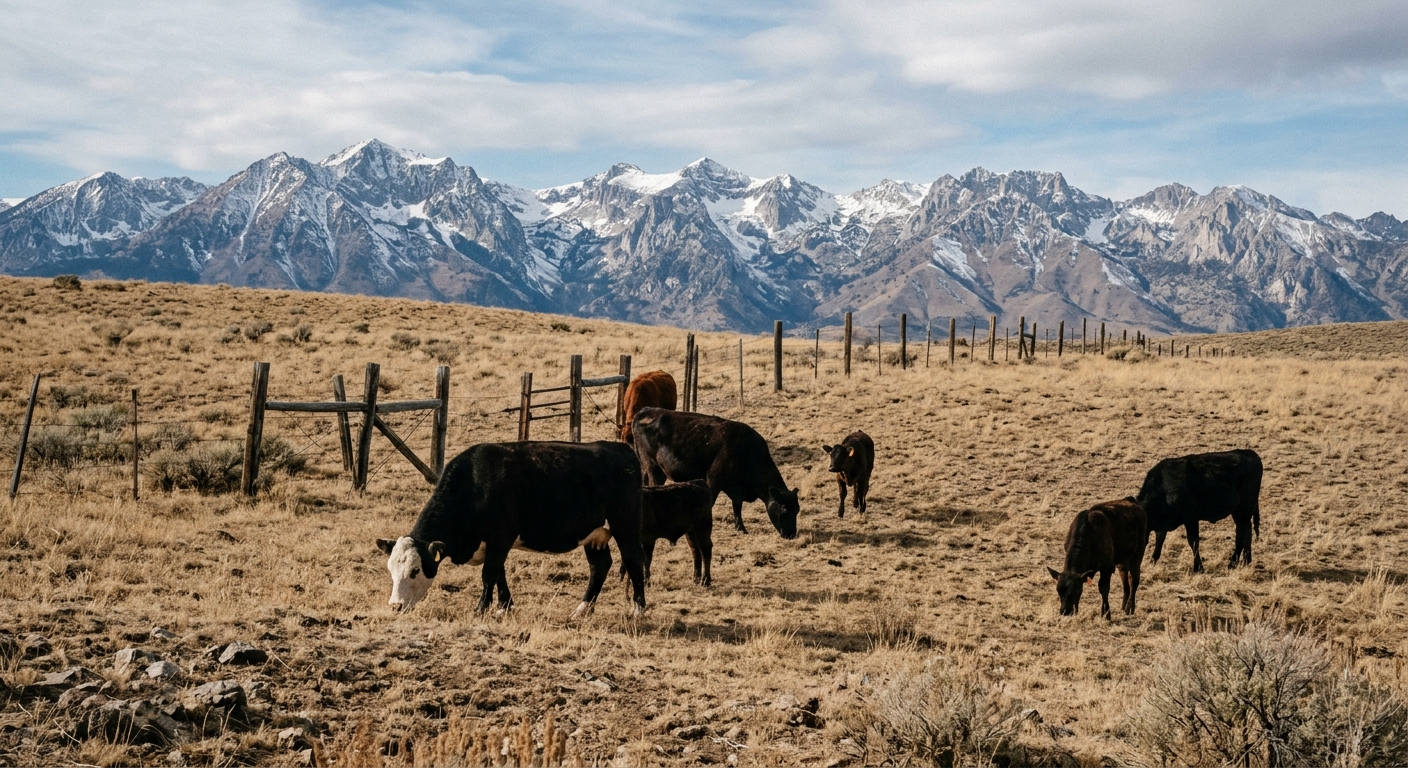
Ranchers throughout Colorado are grappling with severe drought impact, a key driver behind reduced cattle numbers. Water scarcity has not only depleted pastures but also disrupted the growth of feed crops, pushing operational expenses higher. These challenges are exacerbated by increasing fuel costs, which affect the entire supply chain from ranch to retailer. As a result, the cattle herd in the state has dwindled to levels not seen since the mid-20th century, creating a pronounced beef supply shortfall.
Federal Measures: Tariff-Free Beef Imports Enter the Market
In an attempt to ease the ongoing beef price increase, President Donald Trump announced a plan to import 300,000 metric tons of beef imports into the United States, specifically under a tariff free beef program. The imported beef, expected to be sold at up to 25% below current market prices, has received a mixed response in Colorado. Some consumers, faced with surging grocery bills, see hope in the prospect of lower retail prices. However, many in the local industry warn that this short-term measure could undermine long-term resilience.
Local Beef Producers Voice Strong Concerns
Local ranchers and agricultural advocates are raising questions about the origin and quality of the imported beef, as well as its potential impact on local livelihoods. Local beef producers like Russel Simmons in central Colorado are finding creative ways to adjust, tapping into local partnerships and alternative feed sources to weather the uncertainty. Many warn that beef imports do little to address the root causes of the current shortage—namely, drought and rising feed and fuel expenses.
Political Pushback: Supporting American Ranchers
Colorado Congressman Gabe Evans criticized the tariff-free imports, emphasizing support for American ranchers and seeking more sustainable solutions that strengthen domestic systems. “We need long-term fixes for our beef industry,” Evans commented, echoing the concerns of many rural communities in the region. Across the state, local officials have urged the federal government to prioritize strategies that protect the economic viability of Colorado’s food producers over quick fixes from global markets.
Market Tensions: Supply, Demand, and Price Volatility
With persistently high beef demand outpacing the available supply, upward pressure on Colorado beef prices is unlikely to abate in the short term. Industry analysts point to the fact that temporary relief from imports may not resolve the structural problems caused by climate and economic pressures. Reports from livestock auctions and grocery outlets around the region highlight ongoing price increases, with each step in the supply chain feeling the effects of the current crunch.
Looking Forward: Challenges and Adaptation in Colorado
Although federal measures may provide some momentary relief for consumers, many Colorado producers remain focused on strategies that improve resilience against drought and volatile markets. Enhanced support for local ranchers, improved water management, and investment in feed innovation are some of the steps being discussed in agricultural circles. As the state’s beef sector adapts to complex challenges, the ongoing debate about the balance between domestic support and global trade will continue to shape the future of Colorado beef prices and the regional economy.