- calendar_today August 5, 2025
Colorado’s Luxury Housing Outlook 2025: 6 Key Market Trends to Watch
The luxury real estate scene in Colorado is expected to shift meaningfully in 2025, reflecting both national dynamics and region-specific lifestyle appeal. Amid broader market recalibrations, high-end properties in the Centennial State are holding firm, driven by wealthy domestic buyers, renewed global interest, and a growing appetite for modern, wellness-integrated living.
As luxury evolves beyond just square footage or zip code, Colorado is uniquely positioned. Its blend of outdoor beauty, affluent enclaves, and innovation-friendly cities makes it a top destination for high-end buyers seeking privacy, tech-forward amenities, and long-term value.
Here’s a look at six expert-driven predictions that will shape Colorado’s luxury housing market in 2025.
Reflecting on 2024: A Resilient High-End Market
In 2024, Colorado’s luxury housing—typically defined as homes within the top 5–10% price bracket of the local market—maintained steady footing despite nationwide economic headwinds. Metro areas like Denver and Boulder saw continued interest from out-of-state movers, with data from Redfin showing a 4.2% price increase for upscale properties across the state.
Tight inventory in areas such as Aspen, Cherry Hills Village, and Telluride helped support price growth, while a wave of remote professionals and wealth migration from high-tax coastal states fueled demand across scenic mountain towns.
1. Prices Will Level Out But Remain Strong in Premier Zip Codes
Heading into 2025, luxury home prices in Colorado’s top neighborhoods are forecast to stabilize or rise moderately. Economic indicators suggest the Federal Reserve will ease rate hikes, which could further stimulate cash-driven purchases.
Premium markets such as Aspen, Vail, and Boulder are projected to post gains between 2% and 4%. While some overbuilt areas may stagnate, buyer demand for turn-key homes with high-end finishes in scenic, livable environments remains robust.
2. International Buyers Eye Colorado Again
Global demand for U.S. real estate is regaining momentum, and Colorado is on the radar. Thanks to looser travel restrictions and a growing international appetite for U.S. assets, affluent foreign buyers are once again considering trophy homes in mountain towns and luxury ski destinations.
National Association of Realtors data shows a 12% uptick in foreign residential purchases in early 2025. In Colorado, buyers from Canada, Europe, and Asia are targeting second homes near ski resorts or eco-conscious properties in areas like Steamboat Springs and Breckenridge.
3. Interior Cities and Resort Towns Are Poised for Growth
While coastal markets often grab headlines, Colorado’s interior locations are set to shine. Places like Fort Collins, Colorado Springs, and Durango are drawing luxury buyers seeking natural beauty, space, and tax advantages—without sacrificing urban amenities.
Remote and hybrid work culture is driving affluent professionals toward high-elevation living, where outdoor recreation and scenic privacy are a bonus. In 2025, these lifestyle-rich markets are no longer niche—they’re the new norm.
4. Wellness and Smart Tech Define Luxury in 2025
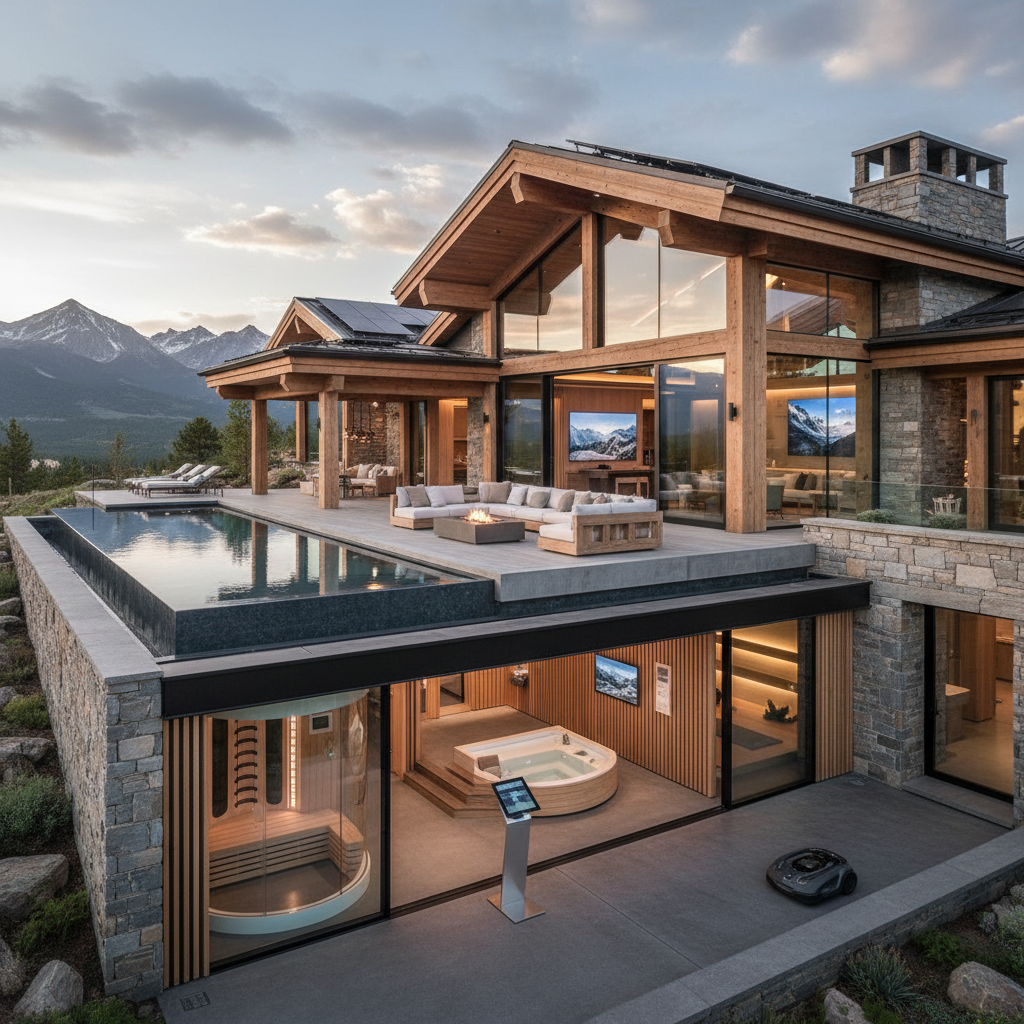
Buyers of luxury homes in Colorado increasingly expect technology and wellness to be seamlessly built into the living experience. Properties featuring AI-powered smart systems, solar energy, and biometric security are commanding higher prices.
Wellness amenities such as in-home spas, yoga studios, filtered air systems, and snowmelt driveways are also in demand. A recent survey from Realtor.com indicates that over 65% of high-net-worth buyers now prioritize homes that enhance well-being and comfort.
5. Low Inventory Persists in Colorado’s Top Markets
Limited housing supply continues to impact Colorado’s most sought-after locales. In areas like Telluride, Aspen, and parts of Boulder County, zoning constraints, build limitations, and long approval timelines keep new inventory scarce.
With fewer listings hitting the market, existing homes are generating competitive offers. Off-market deals are also becoming more common, especially among ultra-wealthy buyers seeking discretion and exclusivity.
6. Surge in Luxury Rentals Reflects Shifting Strategies
Another rising trend in Colorado is the demand for upscale rentals. High-net-worth individuals, including tech leaders and global investors, are opting to lease multimillion-dollar homes for seasonal use or financial flexibility.
Cities like Denver and mountain resort towns are seeing a boom in monthly rental listings priced above $10,000. Developers are now catering to this demand with branded residences and luxury lease-only communities—attractive options for those wanting location flexibility without long-term ownership.
What It Means for Stakeholders in Colorado’s Luxury Market
Colorado’s luxury real estate outlook in 2025 suggests a market that is evolving, not retreating. Buyers will benefit from strategic timing and tech-savvy properties, while sellers can command premiums by investing in modern upgrades. Developers, meanwhile, must address high expectations around sustainability, wellness, and smart features to stay competitive.
A High-End Market Emphasizing Experience Over Excess
Luxury in Colorado is no longer just defined by price tags, it’s about quality of life, innovation, and conscious living. While price appreciation may be more moderate, demand for thoughtfully designed homes remains robust. Expect a market focused less on expansion and more on curated experiences that reflect the values of today’s affluent buyer.
For those navigating Colorado’s luxury housing sector in 2025, one principle remains clear: refinement and resilience will lead the way.