- calendar_today August 9, 2025
Trade relations between the United States and China have taken a sharp downturn in 2025, prompting global market volatility and strategic rethinking for American investors. For Colorado—a state with a growing tech sector, a robust agricultural base, and one of the fastest-growing clean energy industries—the developments present both risks and regional implications.
With the return of President Donald Trump and the reintroduction of aggressive tariffs on Chinese imports, the world’s two largest economies are again at odds. In turn, Beijing has responded with forceful countermeasures, signaling what some are calling “Trade War 2.0.”
What’s New in the 2025 Trade Conflict
In April, the White House implemented sweeping 54% tariffs on a broad array of Chinese imports, from consumer electronics to industrial machinery. These measures aim to address long-standing trade imbalances and encourage domestic manufacturing—but they come with unintended consequences.
China’s Response:
- 34% Tariffs on U.S. Exports: As of April 10, China has imposed tariffs on all U.S. goods entering its markets. For Colorado’s cattle ranchers and wheat growers, this significantly reduces competitiveness abroad, especially as Chinese buyers pivot toward South American alternatives.
- Rare Earth Export Restrictions: China has also restricted exports of rare earth minerals—key ingredients in everything from wind turbines to electric vehicles and semiconductors. This is especially significant for Colorado’s cleantech startups and aerospace suppliers relying on global materials.
- Formal WTO Complaint: Beijing has filed an official complaint with the World Trade Organization, challenging the legality of the U.S. tariffs. While the case is pending, it introduces a layer of legal uncertainty that may stall investment decisions.
Colorado’s Key Sectors: Who’s at Risk?
The market’s reaction was swift. Major U.S. indexes, including the S&P 500 and Nasdaq, dropped sharply in response to the escalating tension. While the damage is national, Colorado’s economy is uniquely exposed in several areas.
Agriculture and Livestock
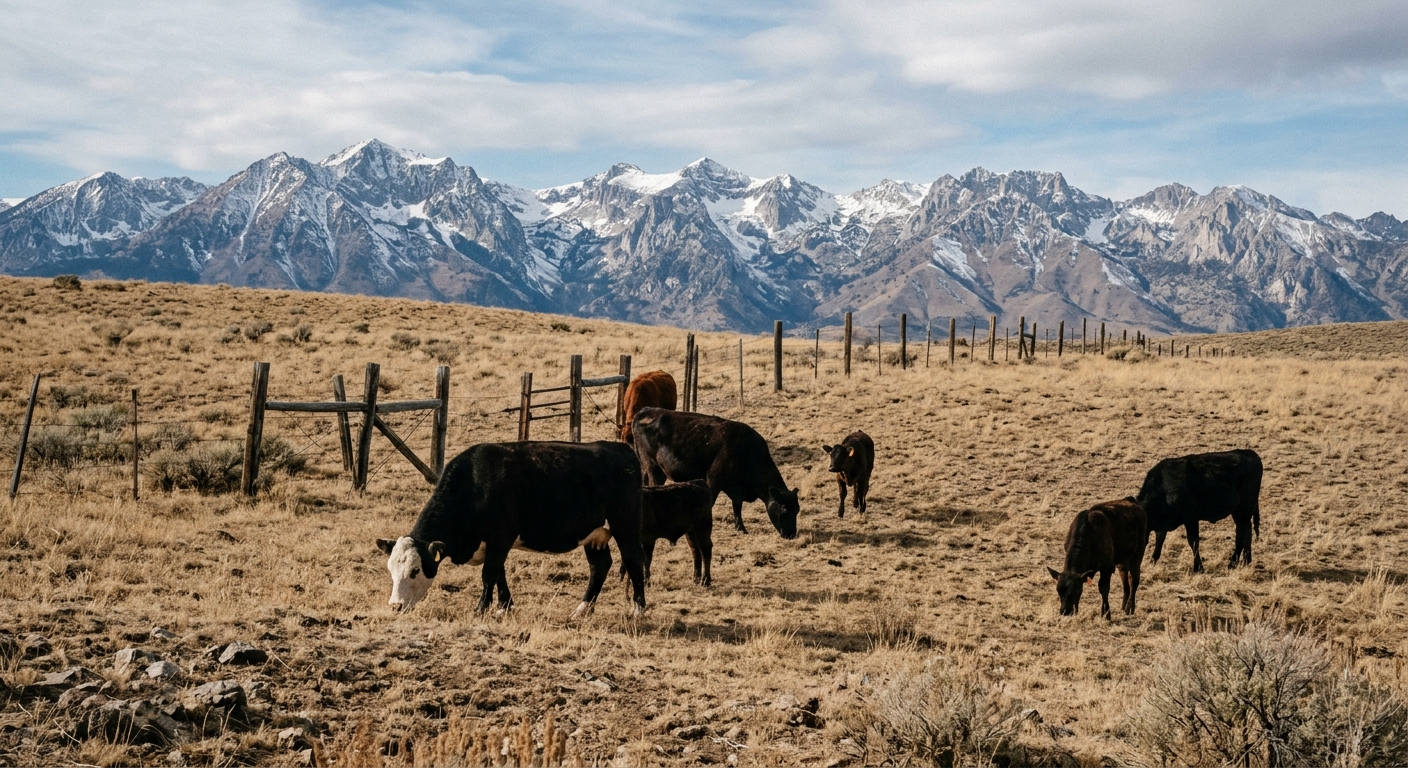
Colorado’s wheat, corn, and beef producers—many of whom export to Asian markets—are feeling the impact. With China imposing broad tariffs, early data shows a 57% year-over-year decline in agricultural exports from the state during Q1 2025. This contraction is not just short-term; long-term supplier shifts could permanently affect Colorado’s position in the global food chain.
Clean Energy and Tech
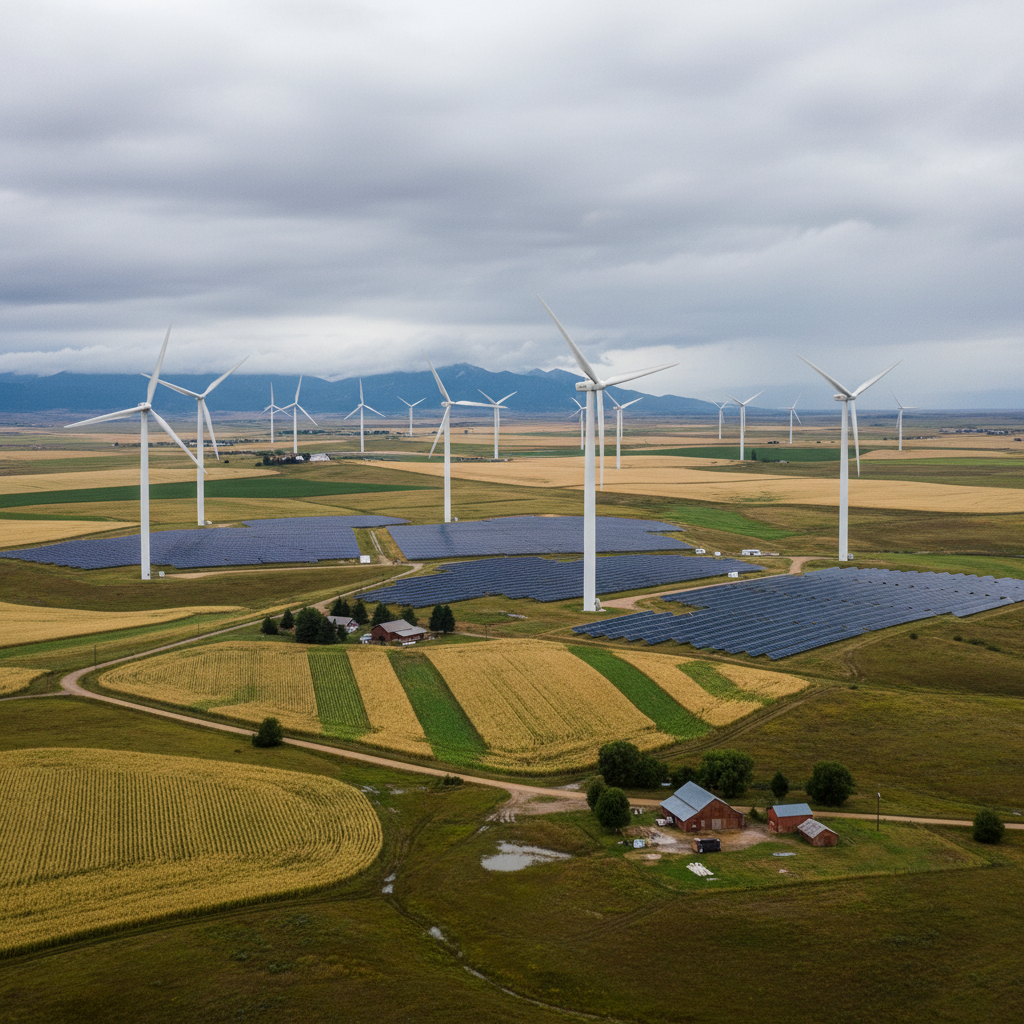
As a national hub for wind power, solar innovation, and green startups, Colorado’s clean energy firms may see project delays and rising costs due to disrupted supply chains. Rare earth dependencies pose challenges to EV infrastructure development and battery storage initiatives—areas in which Colorado has invested heavily.
Tech firms in Boulder and Denver—especially those producing hardware or working with imported components—may also experience procurement issues or price spikes.
Aerospace and Defense
Home to numerous defense contractors and aerospace companies, Colorado could face indirect effects from material shortages and international trade instability. With federal defense budgets shifting in response to geopolitical changes, project timelines and funding may be reallocated.
What Colorado Investors Should Do Now
Despite the turbulence, financial experts suggest that smart portfolio strategies can help mitigate risk and uncover opportunity.
1. Reduce Concentration in China-Exposed Sectors
Investors may want to rebalance away from companies with deep supply chain ties to China. Sectors like domestic logistics, healthcare, and locally focused tech may offer more stability.
2. Capitalize on Local Manufacturing
Companies positioned to benefit from onshoring and U.S.-based infrastructure projects—especially in construction, transport, and green energy—could see growth. Colorado’s renewable energy push may still offer upside despite short-term supply shocks.
3. Explore Hedging Options
Consider diversifying with commodities (e.g., lithium and molybdenum, both mined in Colorado), real estate investment trusts (REITs), and Treasury Inflation-Protected Securities (TIPS) to hedge against inflation and global instability.
4. Stay Alert and Adaptive
Policy changes can come quickly. Monitoring trade developments, quarterly earnings reports, and federal subsidies—especially those targeting clean tech and agriculture—will help investors make informed decisions.
Preparing for a Reset
As the global trade environment shifts once again, Colorado’s economy may face both headwinds and breakthroughs. While export-driven sectors brace for prolonged challenges, the state’s diversified growth model—involving technology, energy, and agriculture—can support long-term recovery if strategies are aligned with market signals.
The key for Colorado investors in 2025 is to remain vigilant, diversified, and locally aware. Trade battles may shake international relations, but the right positioning can help navigate the uncertainty—and perhaps even turn volatility into opportunity.