- calendar_today August 21, 2025
The Romance That Never Worked: Why Liv and Major Fell Flat
Zombies are forever. But they had a bit of a moment in the 2010s. From AMC’s juggernaut The Walking Dead (2010–2022) to Netflix’s offbeat horror-comedy series The Santa Clarita Diet (2017–2018), the ’10s gave us some big undead brains. Tucked right in the middle was a unique combination of crime-solving, undead drama, and absurdist humor: iZombie. Running for five seasons on The CW, it was yet another take on the long-lived subgenre of zombie stories.
It may not have been a juggernaut, but iZombie did build itself a cult following, thanks in no small part to its sharp writing, touching performances, and absurdly unique look at a genre that felt, up until that point, fairly played out. Developed by Rob Thomas and Diane Ruggiero-Wright and based very loosely on a Vertigo comic series of the same name by Chris Roberson and Michael Allred, the series was far from a straight adaptation of its source material, but, at its undead heart, it was true to itself.
The comic books followed the adventures of zombie gravedigger Gwen Dylan in Eugene, Oregon, who, if she doesn’t ingest a human brain every 30 days, loses all her memories. She’s joined on her supernatural journey of self-discovery by a ghost and a were-terrier (also one of her “friends”), a supernatural take on friendship and personal identity. But the series changed things up. The setting moved to Seattle, and while we did get a new Gwen Dylan, the name of the show’s heroine was a dead giveaway. Liv Moore—played with equal measures of intensity and deadpan by New Zealand actress Rose McIver—was a type-A medical student whose life is irrevocably changed one night at a party on a boat. You know, one of those typical rowdy college weekends where, in this case, a designer drug called Utopium mixed with an energy drink called Max Rager results in an island of zombies.
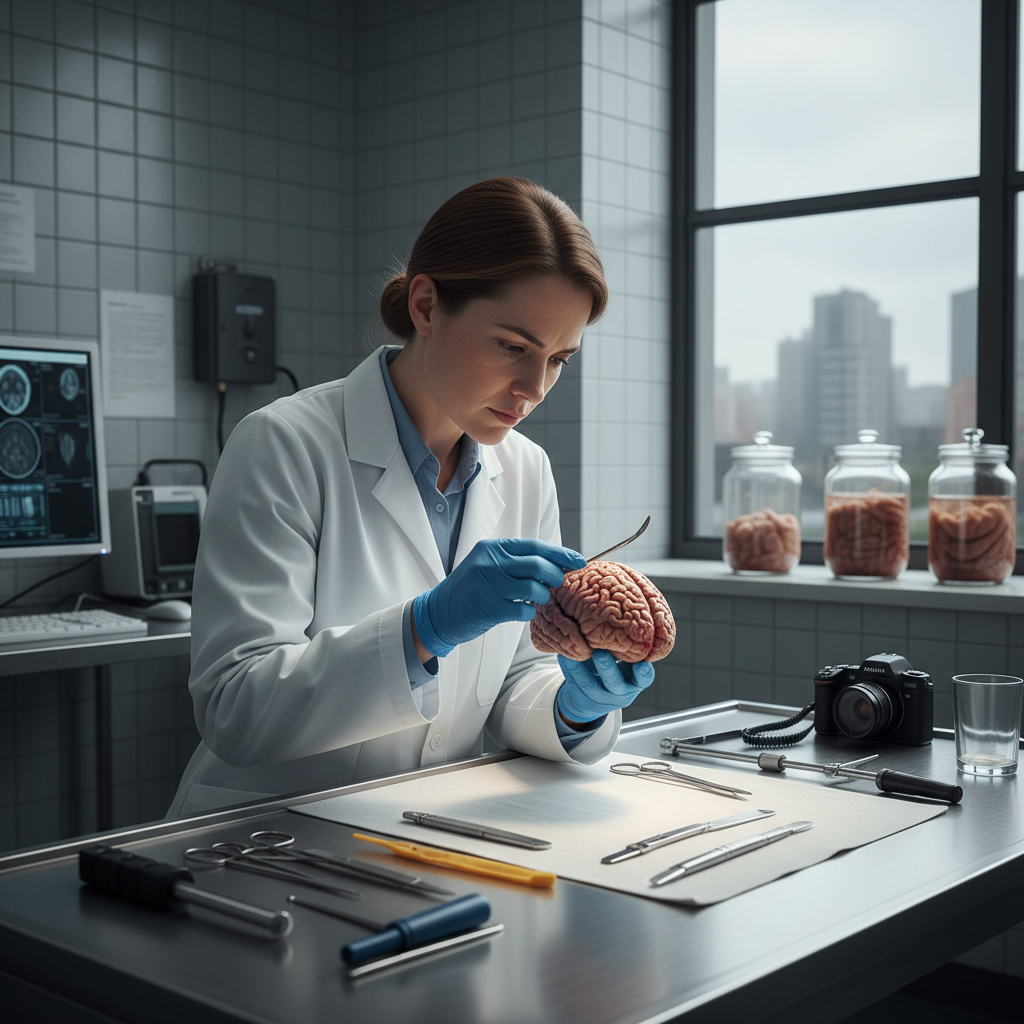
Scratched and left for dead in a body bag after the zombie outbreak, Liv awakens to find herself one of the undead. Breaking up with her human fiancé Major (Robert Buckley), alienating her free-spirited roommate Peyton (Aly Michalka), and getting a job at the medical examiner’s office to help her conveniently and secretly access brains, Liv is soon found out by her sweet but eccentric boss, Ravi (Rahul Kohli), a CDC scientist-turned-employee whose sole focus is on finding a cure for the zombie virus that has gripped Seattle.
But one of the strangest and most delightful twists was that when Liv eats brains, she also acquires the memories and personality traits of those whose minds she consumes. This allows for an almost inexhaustible amount of unique and wildly diverse “personas” for Liv to slip into and, of course, for McIver to flex her range. Throughout the series, this included a sassy dominatrix, grumpy old man, romance novelist, magician, pub trivia-loving hitman, a kidnapped child, celebrity culture critic (one of my personal favorites), and way too many more to list here—all played with a sincerity and earnest charm by McIver.
The brains themselves become key to the murder-solving, too, as each contains clues that help Liv and Clive (who, at least at the beginning, is under the belief that she’s psychic) solve the cases at hand. In the background was Ravi, a master of comic relief as well as scientific minutiae, always offering support for Liv but also (in good humor) joying in the more absurd of her transformations (except maybe PhD scientist brain, who he just found kind of annoying).
Brains, Bad Guys, and Bittersweet Goodbyes
Of course, every good procedural needs a bad guy. For iZombie, it was the deeply superficial, ethically bankrupt Blaine DeBeers (David Anders), the skeevy, drug-peddling zombie that originally scratched Liv on the fateful boat party night. As the series progresses, Blaine, who had started as a “buyer” of tainted Utopium before becoming a zombie himself, ups his drug-dealing game and develops a whole industry of brain-trafficking to wealthy dead clients who are just as addicted to the energy rush that fresh brains provide as their newly infected friends. Blaine’s daddy issues, aristocratic sneer, and twisted sense of charm made him a villain you couldn’t help but watch (or, in his case, gaze down at, before he received eye surgery that forced him to lift his chin to see).
The show also had a lot of fun and memorable side characters. Jessica Harmon’s FBI agent Dale Brazzio was a major player who eventually worked with Clive as his detective partner, and Bryce Hodgson’s comic book store owner Scott E. (season 1) was so loved that he returned (as twin brother Don E.) in later seasons as Blaine’s cocky, loyal sidekick. Guest characters like Daran Norris’ sleazy weatherman Johnny Frost, Steven Weber’s villainous CEO Vaughan Du Clark of Max Rager (Liv’s old medical school classmate!), and his undead daughter Rita (Leanne Lapp) provided one-off fun or even series-spanning arch-enemies to tangle with.
And while the show had a strong start, with a fervent and growing fan base, the back half, sadly, lost some of its momentum. Its finale was divisive (some liked it, many did not), and overall felt rather rushed. It just didn’t provide the kind of emotional payoff the audience wanted. But still, what iZombie did, when it wanted to do it, was pretty rare. The show leaned in on the absurd and made it feel achingly real. The jokes were sharp, the puns aplenty (Major Lillywhite, The Scratching Post bar, and even Ravi’s dog, “Minor”), and the various brain-based cuisines—from stir-fry to hush puppies to protein shakes—were equal parts disgusting and delightful.
Yes, it had zombies, sure. But it also had gore, violence, and murder. It had a big mystery and more than a few wild experiments in tone and genre. But it also had heart.