- calendar_today August 8, 2025
Real Estate Market Trends 2025: Colorado’s Housing Sector Navigates Recovery and Renewal
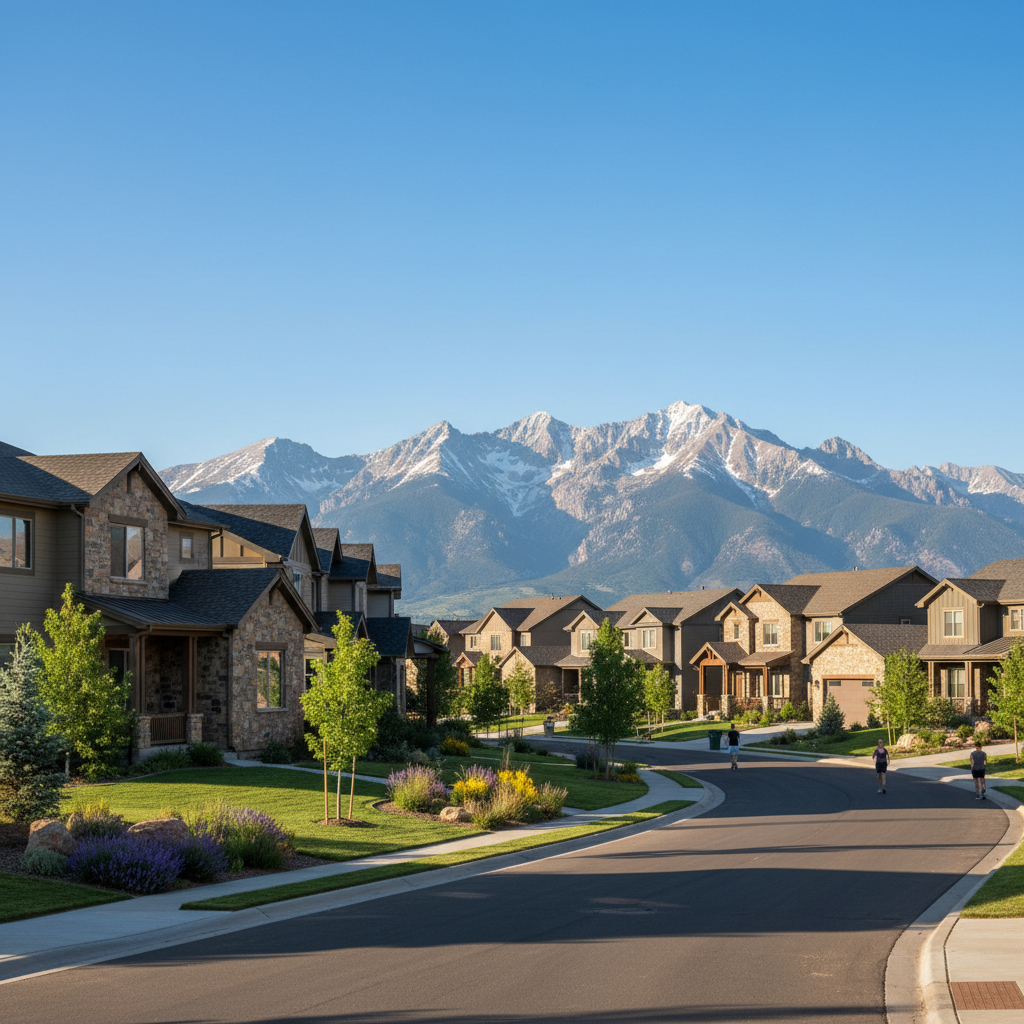
As 2025 unfolds, Colorado’s real estate market is making a steady, if uneven, recovery from the volatility of the past two years. While rising mortgage rates in 2023 cooled demand sharply across many parts of the state, the current year has ushered in a period of stabilization. Buyers are re-entering the market, particularly in suburban areas around Denver, Fort Collins, and Colorado Springs, though affordability challenges persist.
Realtors in Boulder and the Denver metro area report improved buyer sentiment, with more open house activity and competitive offers returning. However, activity in high-altitude resort towns like Aspen, Vail, and Telluride remains slower due to persistent pricing premiums and limited inventory.
The Federal Reserve’s decision to pause further rate hikes and signal potential cuts has impacted Colorado buyers significantly. Many would-be homeowners who had delayed purchases during the peak of rate increases are now stepping back into the market. Mortgage rates, which hovered above 7% in 2023, have dipped closer to 6.5% in early 2025—still high by historical standards, but low enough to improve affordability for some segments.
In Denver’s condo market, for example, lenders are seeing increased pre-approval applications from first-time buyers, signaling a more optimistic sentiment heading into the second half of the year. The rural and mountain housing markets, however, are less reactive due to higher average list prices and limited inventory turnover.
Inventory Constraints Keep Prices Resilient
While demand has improved, Colorado’s housing market continues to suffer from an acute shortage of available homes. The state’s growing population, fueled by in-migration from other states and international students, continues to outpace the supply of new construction.
Permitting delays, labor shortages, and land-use restrictions—especially in environmentally protected or mountainous zones—have slowed the pace of new builds. This is particularly visible along the Front Range corridor, where high-density zoning is facing public resistance despite pressing housing needs.
As a result, prices remain firm. In cities like Fort Collins and Littleton, median home prices in Q1 2025 were only marginally lower than their 2022 peaks. Sellers remain hesitant to list, fearing they’ll be unable to secure new homes at reasonable rates—a phenomenon referred to as the “lock-in effect.”
A Rise in Multi-Generational and Shared Living
One of the more noticeable lifestyle trends in Colorado’s real estate market is the rise in shared living arrangements and multi-generational housing. Driven by affordability pressures and cultural shifts, many families are choosing to cohabitate under one roof.
Builders in Aurora and Colorado Springs have responded by designing homes with multiple primary suites and flexible layouts. Meanwhile, accessory dwelling units (ADUs) are becoming more common, particularly in suburban municipalities that have relaxed zoning restrictions in response to housing pressure.
This trend isn’t limited to urban areas. In places like Durango and Glenwood Springs, demand for ADUs and dual-family homes is growing as workers seek affordable living options near jobs without relocating.
The Appeal of Smaller Cities and Outdoor Lifestyles
Colorado’s smaller cities and outdoor-focused communities are attracting a wave of interest, particularly among remote workers and retirees. Towns like Grand Junction, Salida, and Pagosa Springs are experiencing elevated real estate interest from buyers seeking scenic living with less congestion than the Front Range.
These markets are benefiting from lifestyle-driven migration. Buyers from California and Texas, in particular, are fueling activity in these areas where the cost of living is still considered relatively low by comparison. However, local governments are now wrestling with the impact of rapid growth on infrastructure, water rights, and housing affordability for long-time residents.
Commercial Conversions Still in Experimental Stages
Much like in other states, converting underused commercial spaces into residential units has been floated as a solution to Colorado’s housing shortage. However, progress has been slow. Downtown Denver’s empty office buildings and commercial strips offer theoretical potential, but logistical, regulatory, and financial hurdles remain.
Some pilot projects are underway in Aurora and Loveland, where older retail plazas are being reimagined as mixed-use developments. While these initiatives are promising, industry experts caution that they won’t scale quickly enough to make a major dent in statewide housing inventory over the next 12 months.
A Green Building Push Gains Momentum
Sustainability remains central to Colorado’s real estate conversation. With frequent wildfires and extreme weather events, the demand for energy-efficient, resilient homes is increasing. Builders across Boulder, Longmont, and Evergreen are incorporating solar panels, fire-resistant materials, and net-zero energy systems into new builds.
Local governments have also stepped in. For instance, Denver’s Green Building Ordinance is now influencing residential construction, pushing developers toward environmentally responsible practices. Though these upgrades can raise upfront costs, they’re proving attractive to eco-conscious buyers willing to pay more for long-term energy savings.