- calendar_today August 27, 2025
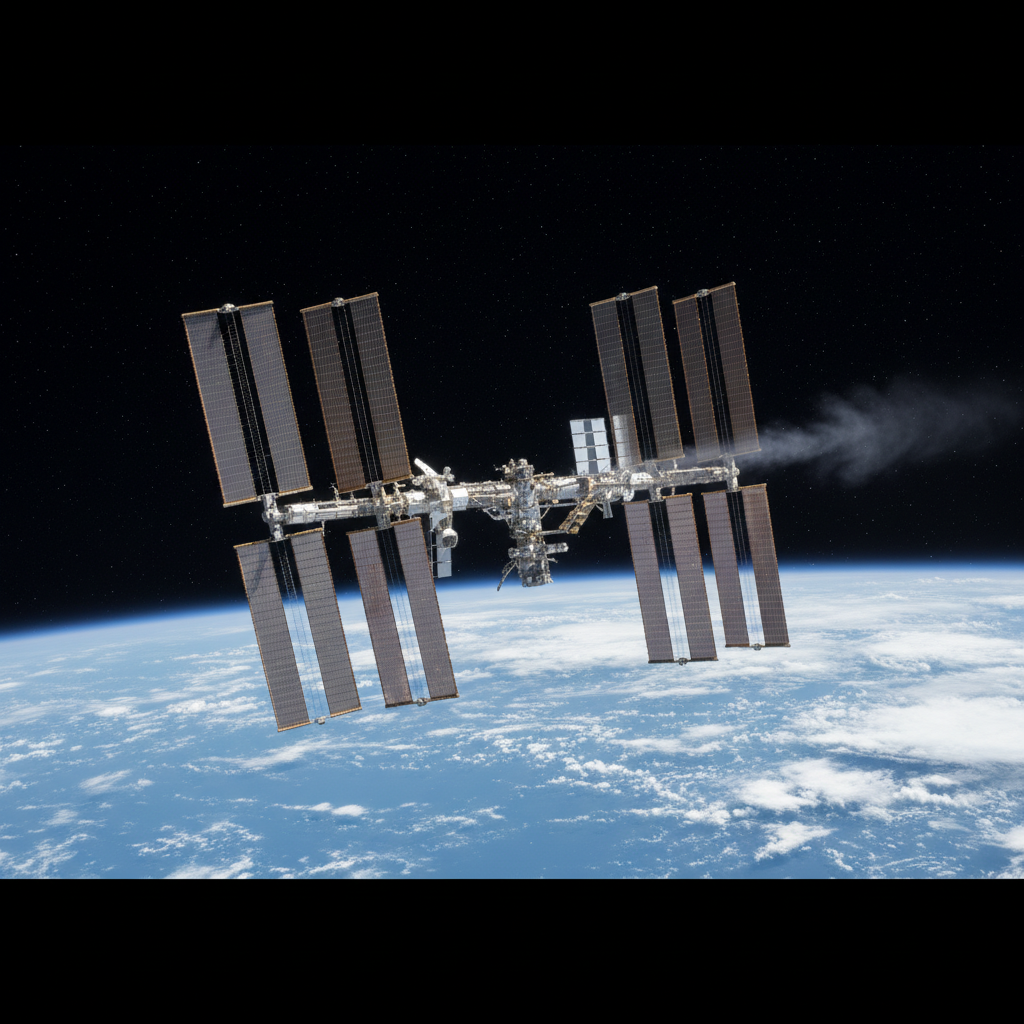
NASA now faces an air leak problem on the International Space Station which has delayed a scheduled commercial astronaut mission. Because of the leak NASA postponed Axiom Mission 4 which was planned to transport four astronauts to the station.
NASA has acknowledged the delay but remains silent about the specifics. Confidential sources familiar with the situation confirm that NASA considers the air leak to be a serious issue. The International Space Station has reached 30 years in orbit which means even minor problems now require more careful attention.
An Old Problem Returns—In a New Way
The ISS has faced issues with air loss before this recent incident. The space station has suffered from a persistent leak since 2019 which originated from the Russian Zvezda service module. The Russian Zvezda service module launched in 2000 stands as the International Space Station’s oldest component. The problem has been specifically linked to the PrK transfer tunnel inside the module. The PrK transfer tunnel links Zvezda with the primary docking port for Russian Soyuz and Progress spacecraft.
Russian cosmonauts have executed multiple repair attempts on the PrK throughout several years. All previous repair operations failed to completely solve the problem. The air leakage rate dropped to just a few pounds per day. Keeping the PrK hatch shut except during docking operations remains the easiest and most successful method thus far.
It appeared that the problem had been solved just weeks before. The Russian space agency Roscosmos confirmed that the latest repair work had fully sealed the PrK module. NASA confirmed the statement by reporting that air leakages within the module had ceased.
Afterward pressure readings throughout the ISS showed a continued decline. That raised a big question: The station continued to leak air even though the module had been sealed.
Experts now suspect the hatch seal leading into the PrK as the primary source of the leak. The theory suggests air gradually escapes through the seals to reach the sealed PrK which maintains constant pressure. The sensors do not detect any leak inside the module yet air keeps disappearing from the rest of the station.
NASA is now closely monitoring the situation. An industry insider reported to Ars Technica about the agency leadership’s growing concern regarding the situation’s implications. NASA has suspended the Axiom-4 mission due to current developments. NASA released a statement explaining that the delay of Axiom Mission 4 will allow both NASA and Roscosmos extra time to assess current conditions and decide if more troubleshooting steps are needed.
NASA has set June 18 as the tentative new launch date. This situation will only resolve if the leak problem changes as the days progress.
There’s another layer to all this: The leak may indicate a deeper problem related to structural fatigue.
Recurring stress leads to high cycle fatigue in metals such as aluminum which worries engineers. Envision repeatedly bending a paperclip until it breaks without warning. Eventually, it snaps without warning. This failure pattern emerges abruptly and represents a significant threat.
Aloha Airlines Flight 243 experienced mid-air decompression in 1988 as a famous case of such incidents. A metal fatigue incident caused a section of the aircraft fuselage to tear away. The crew landed safely after the incident highlighted how fatigue accumulates unnoticed until it causes failure.
Structural cracking on the ISS tops NASA’s list of primary concerns. Within its internal 5×5 risk assessment matrix this issue occupies top positions for both probability and impact. NASA engineers remain on high alert due to this single fact.
NASA has opted to keep its communications limited to this point. The agency remains silent on press conference plans and detailed updates despite persistent inquiries from reporters including those from Ars Technica. The only official word remains: NASA confirms that the International Space Station crew performs regular operations in a safe environment.
And they are. Life aboard the ISS continues. The station maintains a peaceful appearance from the outside but faces a dangerous situation as it gradually loses air which prompts concerns about the durability of its old systems.