- calendar_today June 5, 2026
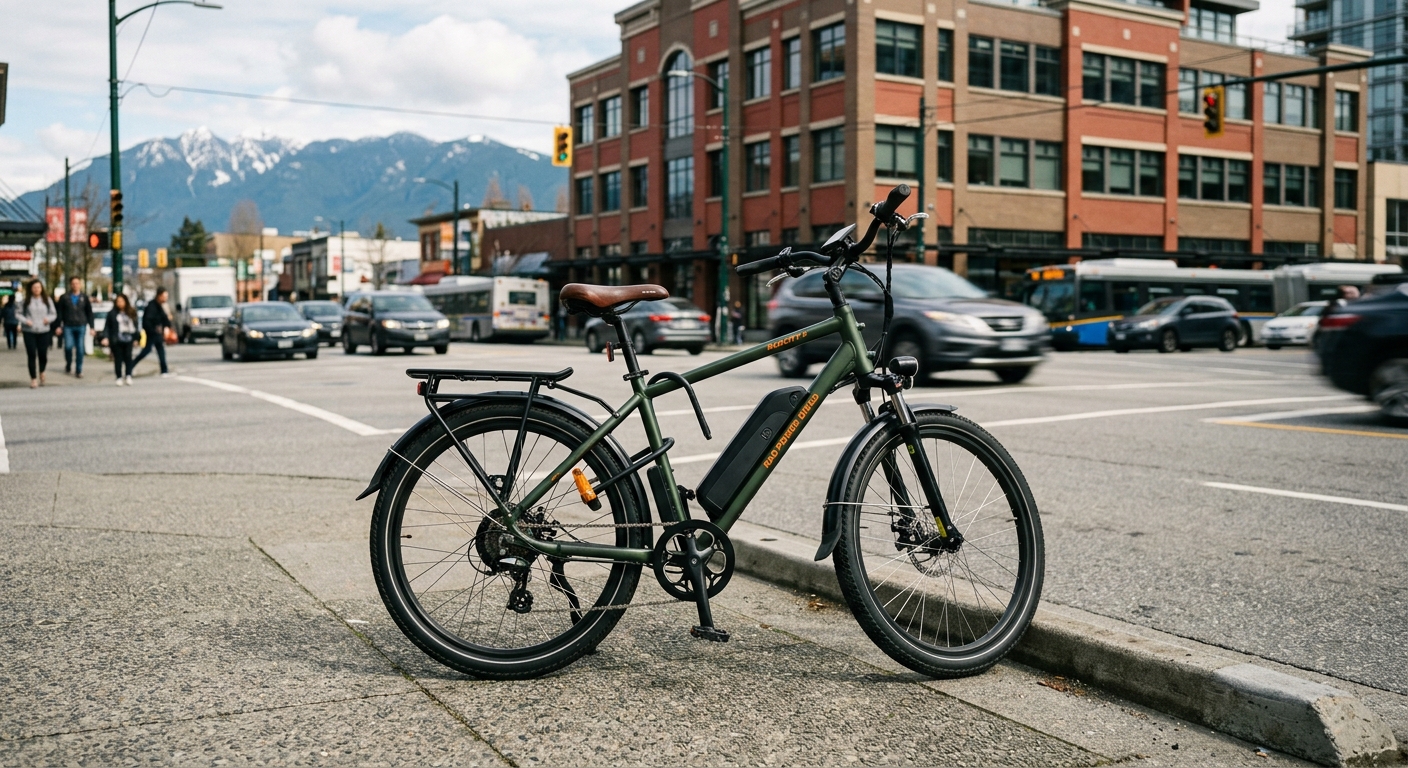
The rapidly growing popularity of e-bikes across Colorado has raised complex questions about e bike insurance for both riders and drivers involved in collisions. As the boundaries between bicycles and motorized vehicles continue to blur, uncertainties over insurance coverage and liability have sparked debate among regulators, industry representatives, and the public.
Understanding E-Bike Classification in Colorado
E-bikes occupy a unique regulatory space in Colorado, leading to confusion regarding insurance requirements and accident liability. Unlike conventional bicycles, e-bikes are partially powered by electric motors, but they do not always fall within the definitions commonly applied to cars or motorcycles. This distinction complicates how insurers and consumers interpret ebike coverage when accidents occur.
Current Insurance Requirements for E-Bike Riders
At present, Colorado does not mandate insurance for ebike riders. Carole Walker, Executive Director of the Rocky Mountain Insurance Information Association, notes that while motorists are required to carry liability insurance, there is no such obligation for e-bike users. This absence of insurance requirements means many riders may be unaware of their personal liability exposure in the event of e bike accidents.
The Role of Homeowners Insurance and Uninsured Motorist Coverage
According to insurance experts, some e-bike incidents might be covered under standard homeowners insurance liability policies. However, coverage is not guaranteed and can vary depending on policy details and the specifics of the incident. In cases where an uninsured e-bike rider causes a collision, drivers are often advised to rely on their uninsured motorist protection. In Colorado, insurers are required to offer uninsured motorist coverage, although policyholders are not obligated to purchase it.
Why Carrying Coverage Matters More Than Ever
As e-bikes become a fixture on city streets and recreational trails throughout the region, concerns are growing about the consequences of insufficient insurance coverage. Data suggests that as more Coloradans adopt e-bikes, the number of incidents—and the complexity of determining insurance liability—has increased. Insurance industry representatives recommend that all parties, both riders and drivers, review existing policies to better understand their risk exposure and the extent of their ebike coverage.
Mandates and Market Realities: The Debate Continues
While some have proposed introducing mandatory insurance for e-bike riders, skepticism remains among industry observers in Colorado. Previous attempts to boost car insurance compliance through mandates have achieved mixed results, and similar efforts targeting e-bikes could present unique enforcement challenges. Instead, experts say that public education and individual responsibility are critical, especially considering the diverse range of insurance coverage options available today.
Steps for Colorado Residents to Protect Themselves
Given these ambiguities, local residents are encouraged to discuss their individual situations with insurance agents who specialize in motorized vehicles and e-bike policies. By proactively seeking guidance, Coloradans can better prepare for scenarios involving injuries, property damage, or contested insurance liability stemming from e bike accidents.
- Review your homeowners insurance for e-bike coverage.
- Consider purchasing uninsured motorist coverage if you drive.
- Consult with insurance experts to identify gaps and risks.
A Landscape in Flux
As Colorado navigates the evolving world of e-bikes, questions about e bike insurance and accident liability remain at the forefront of community safety conversations. The situation underscores the importance of individual preparedness and staying informed about emerging insurance options and regulations in the region. Ultimately, working with knowledgeable agents and maintaining adequate coverage can help Coloradans safeguard themselves against the unpredictable outcomes of sharing the road with an increasing number of e-bikes.