
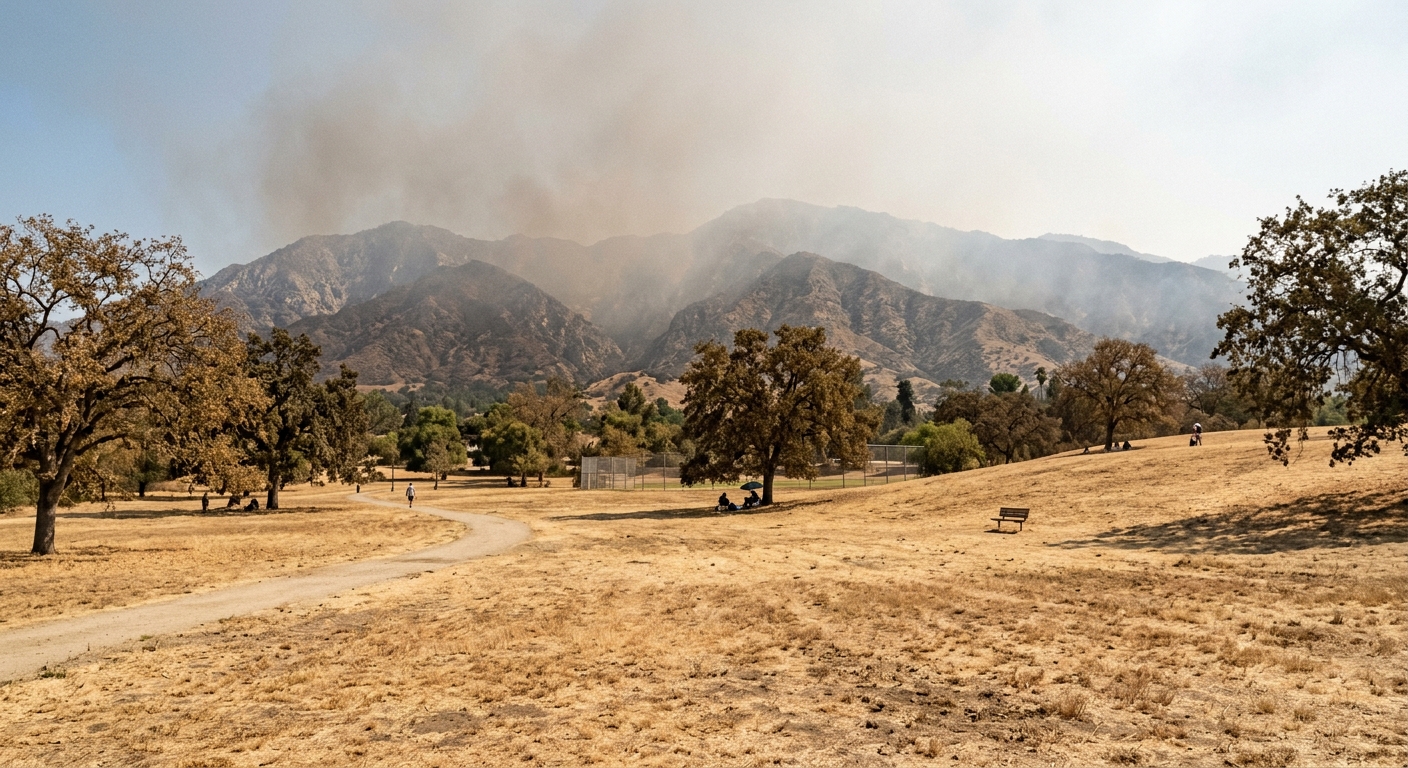
AI-generated illustration; not a photograph of the reported event.
- calendar_today July 30, 2026
Denver Weather: High Temperatures and Air Quality Advisory in Colorado
Colorado residents can expect a stretch of elevated temperatures and ongoing air quality concerns, as the Denver weather forecast signals another round of persistent hot weather and isolated storms. On Thursday, much of the Denver metro area will experience highs in the lower 90s, with mostly sunny conditions providing limited respite from the heat. An air quality alert remains in effect across the region due to increased ground-level ozone, urging sensitive groups to take precautions.
Hot Weather and Isolated Storms Continue
Meteorologists predict the current pattern of hot weather will linger through the weekend. While Thursday night will bring clear skies and cooler temperatures descending into the lower 60s, brief relief may be followed by further spikes in temperature highs. The possibility of isolated storms, primarily over the foothills and the eastern plains, could bring some localized changes but broad relief remains unlikely.
Friday Outlook: Similar Conditions
The weather update for Friday notes conditions nearly identical to Thursday. Residents should expect abundant morning sunshine, high temperatures in the lower 90s, and a risk of afternoon storms mainly impacting the higher terrain and open plains. Those commuting or engaging in outdoor activities across Colorado should remain attentive to sudden weather shifts and ozone advisories.
Weekend Forecast: Continuing Heat
Friday’s trend will extend into Saturday, with forecasters anticipating yet another day marked by sunny skies and persistent heat. The weekend forecast suggests Saturday’s highs will remain close to the lower 90s, amplifying the region’s ongoing battle with elevated ground-level ozone and air quality concerns. Sunday is expected to be the apex of the heatwave, as temperatures soar to nearly 100 degrees in the Denver metro and potentially higher across the plains, accompanied by strengthening winds that may aggravate fire danger and further worsen air quality during peak afternoon hours.
Looking Ahead: Seasonal Averages Return Midweek
The extended weather outlook brings some relief for Colorado communities. Beginning Tuesday and continuing into Wednesday, temperatures are forecasted to trend downward toward seasonal averages. Expect partly cloudy conditions and a slight chance of storms, with daytime highs moderating into the upper 80s to lower 90s across Denver and surrounding regions. This cooling trend should provide a reprieve from the relentless heat early in the week and may also ease air quality challenges.
Health Precautions During Hot Spells
With multiple days of elevated temperature highs and a persistent air quality alert, health officials recommend Colorado residents limit prolonged outdoor activity, particularly during peak ozone hours in the late afternoon. Staying hydrated, seeking shade, and monitoring updates from local agencies can help reduce risks associated with both heat and poor air quality.
Denver Weather Update: What to Expect
The pattern of hot weather coupled with isolated storms and environmental advisories is expected to continue through early next week. Residents across Colorado, including those in outlying suburbs and the eastern plains, should remain vigilant as meteorologists provide ongoing weather updates to guide outdoor activities, travel, and health precautions. Denver weather officials emphasize the importance of checking daily forecasts and following guidance on air quality levels to safeguard public well-being.
Preparedness in Colorado Communities
Communities and local agencies across Colorado are responding to the string of hot, sunny days by offering cooling centers and air quality resources for vulnerable individuals. As the weekend forecast unfolds and the region faces more extreme conditions, attention to the weather outlook remains essential. From the mile-high city to the surrounding plains, the entire region is urged to take necessary measures until patterns return closer to seasonal averages next week.