
- calendar_today August 29, 2025
Following a lengthy period of economic doubt, Colorado’s economy is finally receiving some respite. Inflation, which has pinched family budgets and raised business expenses statewide, is now easing up. With prices leveling out and consumer confidence on the upswing, Colorado’s economic future in 2025 is brighter than it has been in years.
This change couldn’t have arrived at a more welcome moment. For numerous Coloradans, the price of food, fuel, housing, and electricity had become unsustainable for months. Now that inflation is finally on the decrease, daily life is beginning to feel slightly more affordable—and the knock-on effects are spreading to almost all areas of the state’s economy.
What Falling Inflation Means for Consumers
One of the most noticeable benefits of lower inflation is the relief felt at the checkout counter. Food prices that once seemed to rise weekly are beginning to level off. Gas stations are posting more reasonable prices, and energy bills aren’t climbing as fast as they did last year. These small but significant changes have a big psychological effect on consumers.
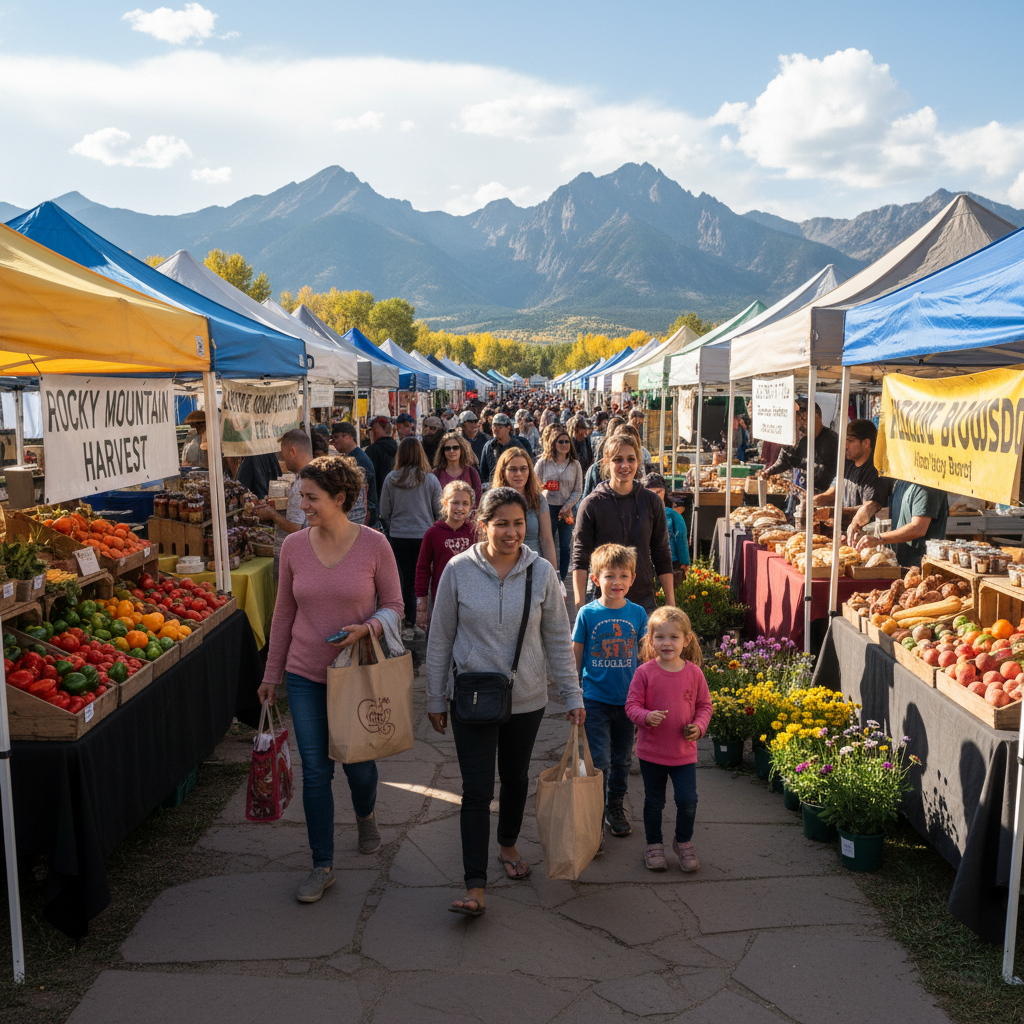
As a response, consumer spending is rebounding. More Coloradans are eating out, going to local stores, and taking local vacations. This increased consumer spending is one of the chief engines for economic recovery, particularly for small and medium-size businesses whose fate is closely tied to local demand.
Housing Market: Stabilizing, Not Soaring
Colorado’s real estate market continues to be one of the most discussed industries, and for good reason. Deflated prices and constrained supply have turned owning a home into an uphill climb, especially in Denver, Boulder, and Colorado Springs. But the dramatic increase in mortgage rates over the past couple of years has started to temper demand, causing the market to be more balanced.
Though home prices are still expensive, the pace of growth is decelerating. There are more listings on the market, and bidding wars are less frequent. For tenants, pressure is relenting somewhat, too, with rent increases slowing in most cities. These trends indicate that inflation’s downturn is stabilizing Colorado’s housing market, albeit for many, affordability continues to be an issue.
Job Growth Shows Strength
Colorado’s labor market remains resilient. Unemployment is low, job postings are robust, and wages have kept up with—or in some instances surpassed—inflation. Sectors such as health care, tourism, logistics, and renewable energy are growing their employment bases, and even the severely impacted tech industry is beginning to recover.
This robust job market is among the state’s largest economic resources. More individuals are becoming part of the workforce, job seekers are landing better jobs, and employers are becoming more optimistic about their hiring plans. With inflation receding, companies are in a stronger position to provide raises, bonuses, and flexible work arrangements to recruit and keep workers.
Small Businesses Catch a Break
Maybe no sector has been hit harder by inflation than small business owners. For the last two years, they have grappled with increasing costs of suppliers, employee shortages, and diminishing profit margins. But now, as inflation slows, these companies are discovering some room to breathe.
In Fort Collins, Pueblo, and Grand Junction, small business owners are starting to see costs level off. This makes them able to reinvest—whether in advertising, equipment improvements, or new hiring. Foot traffic is returning to retail establishments, and consumer demand for locally produced goods and services is recovering. In short, things are looking up.
Tourism and Recreation Thrive
Colorado’s tourism sector, which suffered greatly during the pandemic and related inflation spike, is likewise perking up. With cheaper travel and reduced costs on everything from ski lift tickets to meals at restaurants, both out-of-state and in-state visitors are hitting the roads in Colorado once again.
Such popular spots as Aspen, Estes Park, and the Great Sand Dunes are experiencing a steady increase in visitors. Festivals, events, and outdoor recreation are bringing people to these areas, boosting local economies, and reversing one of Colorado’s key revenue-generating activities.
Agriculture and Energy: Mixed Results
Not all industries are experiencing equal relief, however. Colorado’s agricultural producers continue to face higher input costs and weather issues. Inflation in fuel and feed is decreasing, but global market pressures and export issues persist.
At the same time, the energy industry—especially renewables—is growing, helped in part by investments from the state and federal governments. With inflation on the decline, the price of installing solar panels, improving infrastructure, and constructing clean energy facilities is becoming more affordable. This may give Colorado’s transition to a cleaner economy a boost.
Looking Ahead: Cautious Optimism
While things are clearly improving, most experts urge caution. Inflation is down, but it isn’t gone. Some prices remain elevated, and global economic uncertainty still looms. Factors like interest rate decisions, supply chain resilience, and climate-related disruptions could still impact Colorado’s growth.
Nevertheless, the overall trend is positive. As inflation pressures relent, Colorado is moving into an era of more stable and sustainable growth. Its diversified economy, highly educated workforce, and entrepreneurial culture make the state very well-suited to succeed in the years to come.
Final Thoughts
Colorado is demonstrating that resilience is rewarding. After struggling with high inflation, supply chain slowdowns, and economic pressure, the Centennial State is finally starting to turn the page. Falling inflation is creating space for households, space for businesses to expand, and opportunity for leaders to plan for sustained prosperity.
The road ahead may still hold surprises, but one thing is clear: Colorado’s economy is back on the upswing—and ready for whatever comes next.