
- calendar_today August 12, 2025
President Donald Trump’s trade policies, especially the tariffs, have caused significant changes in Colorado’s economy. These changes are being experienced in some of the most important industries, such as agriculture, manufacturing, and consumer goods. Consequently, business leaders, farmers, manufacturers, and policymakers in Colorado are closely observing the progress and adapting their plans to cope with these economic changes.
Challenges Confronting Colorado’s Agriculture
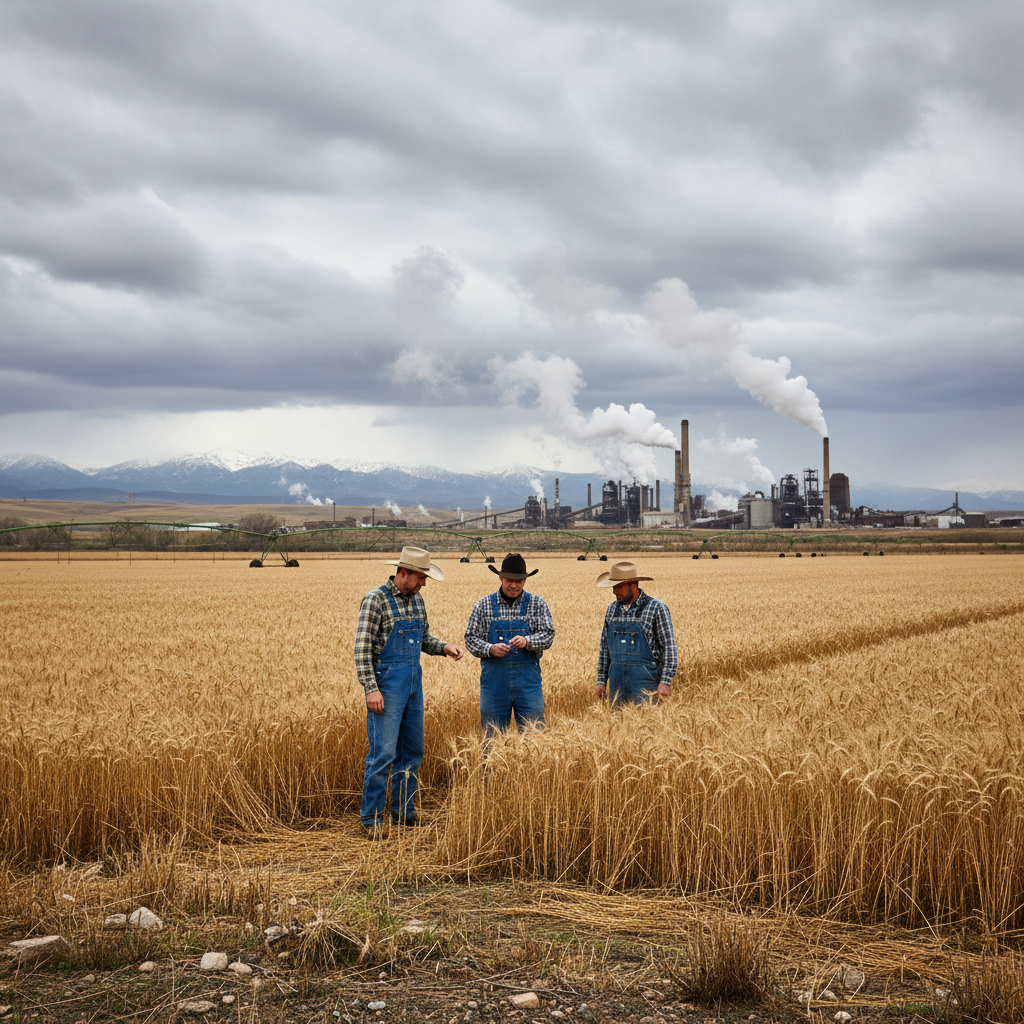
Agriculture is also the most affected sector by the new tariffs. Colorado’s farm sector and particularly wheat farmers and cattle ranchers have been hit hardest. Most of the state’s agricultural goods are exported to other countries. Because of the tariffs, some of the trading partners have now begun imposing retaliatory tariffs of their own. This is to signal that Colorado commodities such as beef and wheat might be too costly for foreign consumers, thus decreasing foreign demand.
To farmers and ranchers, this decreased demand may translate to lower revenues and sales. As such, they worry about what this might spell for their operations. Decreased export revenue also might have a ripple effect in the economy at large in Colorado, particularly in rural areas where agriculture is a major sector in the local economy. The uncertainty regarding the future of trade relationships is causing it to be more difficult for farmers to make forward plans.
Shifts in the Manufacturing Sector
Colorado’s manufacturing sector is also taking a hit from the trade policies. Colorado heavily depends on raw materials from other countries to support its manufacturing sector. Imposing a tariff of 25% on steel and aluminum has increased the cost of acquiring the materials from abroad. For manufacturers, this added cost of material can make it more difficult for them to keep their manufacturing unit going.
With increased costs of production, firms can either absorb the cost, eating into their profits, or transfer the additional cost to consumers by increasing prices on their goods. This may mean more costly automobiles, appliances, and other goods that depend on steel and aluminum. In addition, some companies are compelled to reduce hiring on new jobs or even lay off part of the existing workforce to finance the extra expenditure, which would translate to job loss in the manufacturing industry.
Effect on Consumers
Colorado citizens will be affected by the tariffs as well. Although the tariffs were meant to stimulate American businesses, in some instances, they have had the opposite effect, particularly on consumers. This added expense of manufacturing for companies is usually transferred to customers through the payment of higher prices. This would make common products, from electronics to goods consumed, more expensive.
For example, such items based on foreign materials—like home electronics, electronics, and vehicles—can get more expensive. The increased prices can be a strain on the Colorado family budgets, especially shoestring budgets families as they might have to spend additional amounts on goods they use occasionally.
The Economic Outlook for Colorado
The uncertainty generated by such trade policies has also raised concern about the economic health of Colorado overall. Most business owners fear that the tariffs would restrain Colorado’s economy. With increased costs and lower profit margins, some would avoid growing their businesses or investing anew.
Due to the uncertainty, most firms in Colorado are taking a “wait-and-see” attitude. They are holding off until they can have a clearer view of how the trade policies will influence their long-term strategy before they make significant financial decisions, such as investment in new ventures or the increase of their employees, to determine if they will go ahead with it or not. This conservative attitude can delay economic growth in Colorado since businesses play it safer if there is no assurance.
Adapting to the Shifting Setting
In spite of all these, most industries and companies are trying to adjust to the new economic order. The farmers are also trying to find new markets and other means to sell their produce. The manufacturers are searching for means to cut costs, i.e., cheaper materials or economizing on their processes. Policymakers in Colorado are also looking into how they can mitigate the impact on local industries and how they can reduce the adverse impact of the trade policies.
For instance, certain farming producers are championing assistance to locate other global markets for the Colorado products while the manufacturers would likely contend with relief from specified tariffs or adjustment to switch paying higher prices. All along, the state and local governments and the economic development group are keeping it in close view and attempting to identify strategies on how best to assist Coloradans who are affected in surviving, or even thriving, due to the issues that are present.
Conclusion
As Colorado navigates the change brought on by President Trump’s trade policies, various industries are experiencing the impact in various ways. Farmers are facing reduced demand for their produce, namely wheat and beef, whereas manufacturers are facing increased costs of steel and aluminum. Consumers are also facing increased costs on the majority of products. Owners are moving slowly, not knowing how the tariffs will impact their companies in the long term.
In spite of all these setbacks, Colorado businesses are finding ways to adapt. Policymakers are seeking opportunities for the state’s economy in the middle of all this, while firms seek alternative ways of limiting the negative impacts. Colorado must remain strong and flexible as the trade environment keeps changing so that it maintains economic stability.