
- calendar_today August 10, 2025
Colorado’s Business Community Watches Market Movements Under Trump’s Flexible Tariff Policy
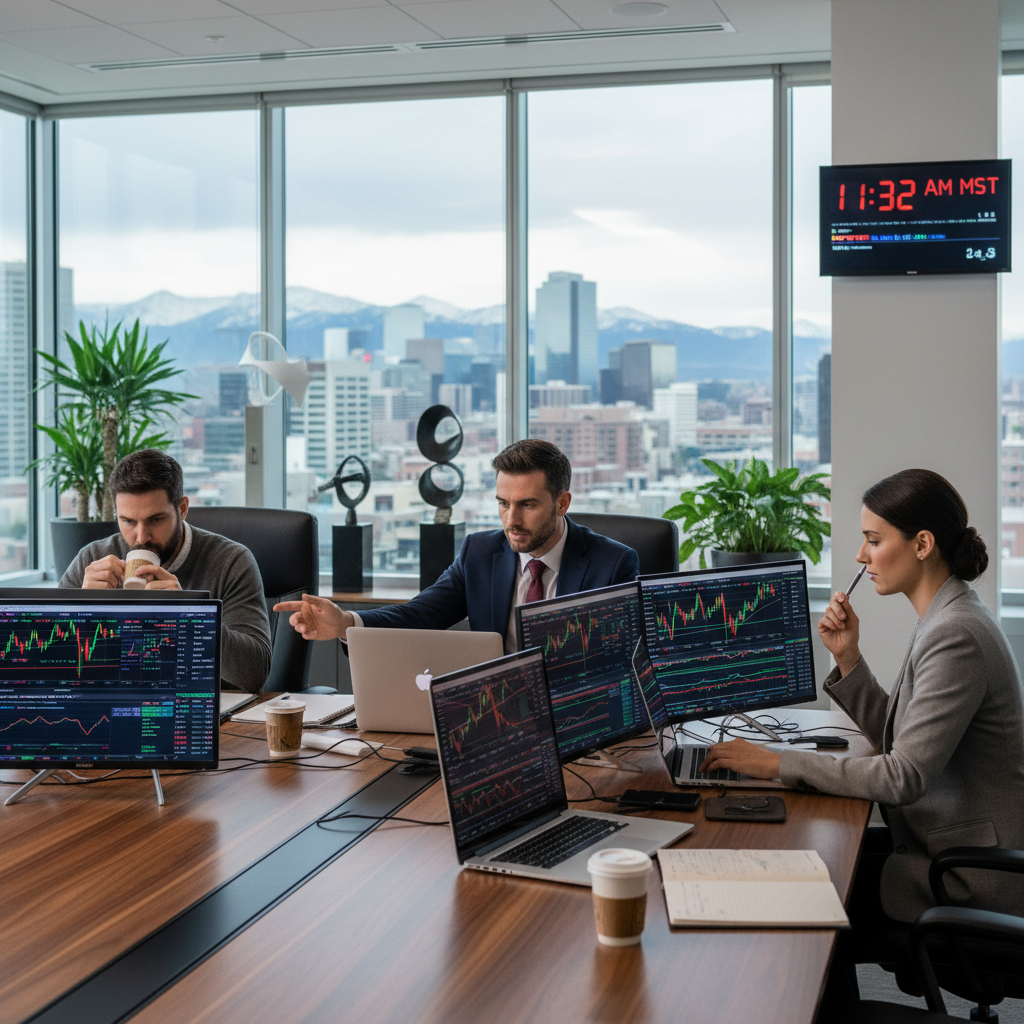
The Dow Jones futures are rising after a recent signal of a more relaxed tariff policy from former President Donald Trump. This move has attracted Colorado investors and business leaders because the state economy is dependent on technology, agriculture, and energy. With a chance of lessened trade barriers, local industries are looking forward to possible advantages and market stability.
As the rest of the world reacts to these policy changes, Colorado’s business community waits closely. The future of tariffs has the potential to impact everything from prices on the consumer shelf to investment planning, which makes this news especially important for the state’s business community.
Trump’s tariff changes have produced optimism among financial markets, and Colorado is no exception. For companies relying on international trade and imported goods, a more flexible tariff regime would decrease expenses and drive economic expansion.
The increase in Dow Jones futures is a sign of growing investor optimism that relaxing tariffs will result in better business conditions. Colorado’s tech startups, farm producers, and energy companies are all closely watching how these developments will impact their bottom lines.
Technology Sector Poised for Growth
Colorado’s tech industry—led by significant centers in Denver, Boulder, and Colorado Springs—would stand to gain significantly if pressure from tariffs is relieved. Most tech businesses depend on foreign-made components for electronics, software engineering, and sophisticated manufacturing.
A more accommodative tariff policy would lower costs of key parts and spur additional innovation. Tech investors expect these changes to enhance supply chain responsiveness and make local businesses more globally competitive.
Furthermore, if tariffs on consumer electronics go down, residents of Colorado will be able to enjoy lower prices on top items such as smartphones, laptops, and home devices. This may spur increased consumer spending and enhance the state’s tech-based economy even more.
Agriculture Industry Awaits Relief
The state’s agricultural sector, which produces wheat, beef, and dairy, has suffered as a result of international trade tensions. Tariffs imposed on farm products being exported have caused lower demand and lower profit margins for farmers in the state.
A gentler tariff approach provides promise that Colorado agri-products may again find competitive prices in international markets. Farmers and farm cooperatives are guardedly hopeful that diminished barriers to trade will bring profitability back and stabilize costs.
Additionally, lower tariffs on foreign-farmed agri-machinery may relieve the financial burdens on local farmers and permit increased investment in technology and sustainable approaches.
Energy Sector Watches Policy Developments
Colorado’s energy industry, specifically oil, gas, and renewables businesses, also stands to gain from tariff changes. Materials imported—like solar panels and drilling gear—are vital to energy ventures, and steep tariffs have raised costs of doing business.
If tariff shields are reduced, energy firms can potentially experience declines in production costs and higher margins. This will set the stage for increased investment in renewable energy projects and infrastructural development, both of which are emerging trends in the state.
Energy firms in Colorado are already gearing themselves for possible scenarios that will add profitability and make way for growth through sustainable avenues.
Consumer spending and local enterprises
Tariff reductions can have a direct impact on Colorado consumers by lowering prices on foreign imports, such as cars, electronics, and farm products. If these price drops occur, local businesses could see more consumer spending, generating additional economic activity.
Small and medium-sized businesses (SMEs) are especially vulnerable to changes in trade policy. Lowered import costs would increase profit margins and allow these companies to increase operations and hire additional employees, making Colorado’s economy as a whole stronger.
Investor Sentiment: Hopeful but Apprehensive
Although optimism is indicated by the increase in Dow Jones futures, Colorado investors are still apprehensive. Future policy responses and international trade negotiations will determine the long-term impact of Trump’s tariff flexibility.
Investors continue to watch for additional announcements that may provide clarity on tariff implementation and global trade relationships. Stable and clear policies are needed to sustain current market momentum and guarantee prolonged economic growth.
Economic Outlook for Colorado
While Colorado’s leading industries navigate evolving tariff policies, business stakeholders continue to believe that adaptability will pay off in the long run. Lowered trade barriers could open new doors in technology, agriculture, and energy while fueling consumer expenditures and local business development.
The increase in Dow Jones futures indicates wider optimism, but much hinges on the way these policy changes play out. If tariff reductions are a reality, Colorado’s economy might see more robust growth, greater innovation, and enhanced market stability.
For now, Colorado investors will keep close watch on events, expecting tariff changes to lay the foundation for long-term economic prosperity.