- calendar_today August 24, 2025
The Sandman Season 2: The Dream King’s Last Stand
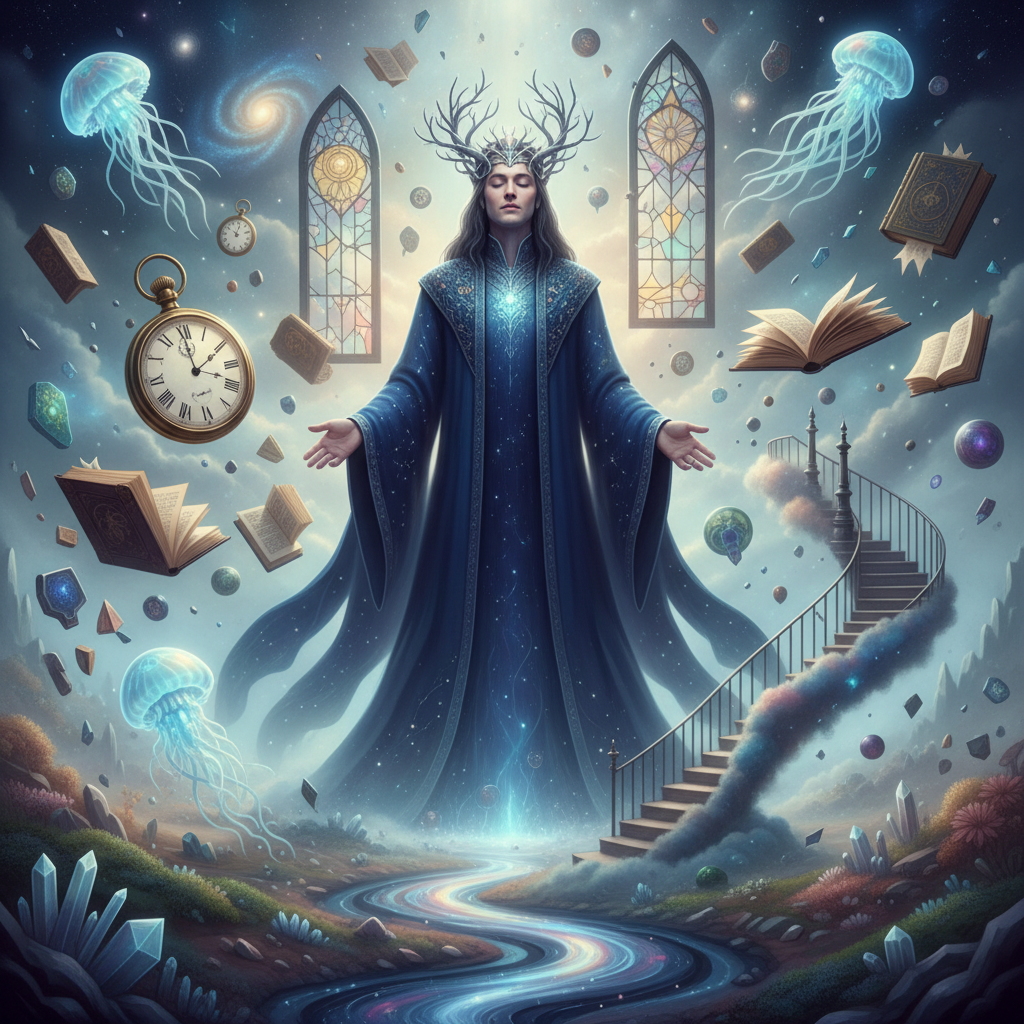
Based on the award-winning Sandman series of graphic novels by Neil Gaiman, the Sandman is a Netflix series adored by fans for its ability to recreate the ethereal, surrealist quality of the comic book series. The first season, which introduces the eponymous character Dream, also known as Morpheus, to the TV screens, was praised for its commitment to the tone of the books as well as for being able to capture the story’s balance between its anthology roots and the more concrete grounding offered by Morpheus’ storyline.
When Netflix announced back in January that the Sandman was ending with Season 2, there were whispers that the conclusion was motivated by sexual abuse allegations that Gaiman has denied. Addressing this question on X, showrunner Allan Heinberg said that it was always part of the plan for the series to be two seasons. Heinberg added that the team had a hunch that the amount of content they had for adaptation would make two seasons. On reflection, Heinberg’s team was right.
Season 1 was made up of two story arcs: Preludes and Nocturnes and The Doll’s House, as well as two bonus episodes: “Dream of a Thousand Cats” and “Calliope,” two shorter stories from the comic book issue Dream Country. Season 2 is adapted from Seasons of Mists, Brief Lives, The Kindly Ones, and The Wake. The Fables and Reflections, the important “The Song of Orpheus” segment, and a portion of “Thermidor,” as well as the well-received “A Midsummer Night’s Dream” from Dream Country, make up the rest of the season’s source material. The bonus episode is the 1993 one-off spin-off, Death: The High Cost of Living. Missing are the events of A Game of You and several short stories, a gap that is not immediately noticeable in the Dream King’s overall arc.
Season 2 of the Sandman continues in much the same vein as the first, with Morpheus (Tom Sturridge) rebuilding his domain after winning his victory over the Corinthian (Boyd Holbrook) and the Vortex in the Season 1 finale. His construction is interrupted, however, by a summons from his sister Destiny (Adrian Lester). A rare family meeting is called for when Death (Kirby Howell-Baptiste), Desire (Mason Alexander Park), Despair (Donna Preston), and Delirium (Esmé Creed-Miles) are all bussed in to hear Morpheus’ latest difficulties.
After being reminded of his responsibility to all things in the Dreaming, Morpheus sets out on a mission to rescue Nada (Umulisa Gahiga), the queen of the First People and former lover he exiled to Hell. This act, however, pits him against Lucifer (Gwendolyn Christie) again. Lucifer, who is still bitter about being beaten in last season’s main story, is not interested in fighting. Instead, she resigns and hands the Master of Dreams the key to an empty Hell, telling him to choose the next inhabitant of her old office from a list that includes Odin, Order, Chaos, and a particular demon by the name of Azazel.
Delirium (Esmé Creed-Miles) is still heartbroken over her own brother Destruction’s (Barry Sloane) absence. Destruction vanished from the Dreaming thousands of years ago. Dream’s attempts to find her brother take him to his final fate, with all the spilled family blood and the angry Kindly Ones to show for it.
Highlights, Lowlights, and Final Thoughts
The series continues to showcase lavish production, stellar casting, and visuals that are a wonder to watch as they recreate the graphic novel art on screen. The only criticism some people have, especially considering that most of the graphic novels took a good few years to read, is that the pace of the series is a bit leisurely. This was done purposefully, however, as it allows the audience to completely inhabit Gaiman’s world.
A definite low point of the season is the episode “Time and Night,” where Dream goes to his parents, Time (Rufus Sewell) and Night (Tanya Moodie), to ask for their help. Although it is canonically true that the Endless are the children of Time and Night, most of the scenes in the sewers between the three of them are hampered by stilted dialogue, and not even Rufus Sewell at his absolute best can make this interaction something other than a therapy session.
Highlights include Lucifer asking Dream to cut off her wings; goddess Ishtar (Amber Rose Revah) stripping off her entire façade to dance once more as a divine cat-creature; Dream having to explain to the great William Shakespeare that he must pen The Tempest; and the redeemed Corinthian developing a crush on Johanna Constantine (Jenna Coleman). Some of the more unforgettable imagery is Orpheus’ heartbreaking ode in the Underworld, Dream performing an act of mercy killing on his son, and the Furies destroying Fiddler’s Green (Stephen Fry), Mervyn Pumpkinhead (Mark Hamill), and Abel (Asim Chaudhry).
Dream’s death sees him once more taking the hand of Death. He exits the frame and is replaced by the new version of the character: Daniel Hall (Jacob Anderson), the first and only human to be made in the Dreaming. Momentarily confused by his new powers, he will, over time, become the next great Dream. In the meantime, his Endless siblings grieve their fallen brother and welcome the newest member of their family.