- calendar_today August 31, 2025
A Dance That Was Never Supposed to Go This Far
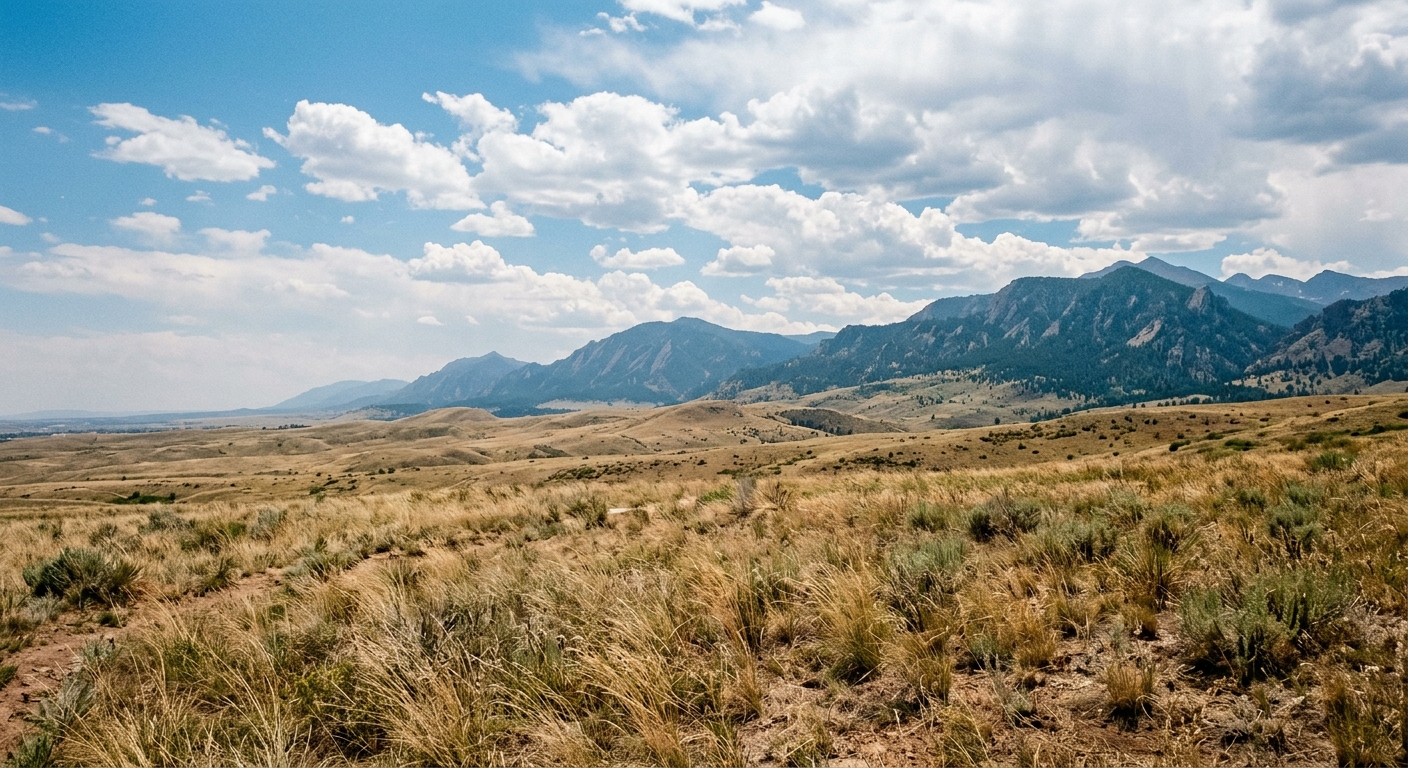
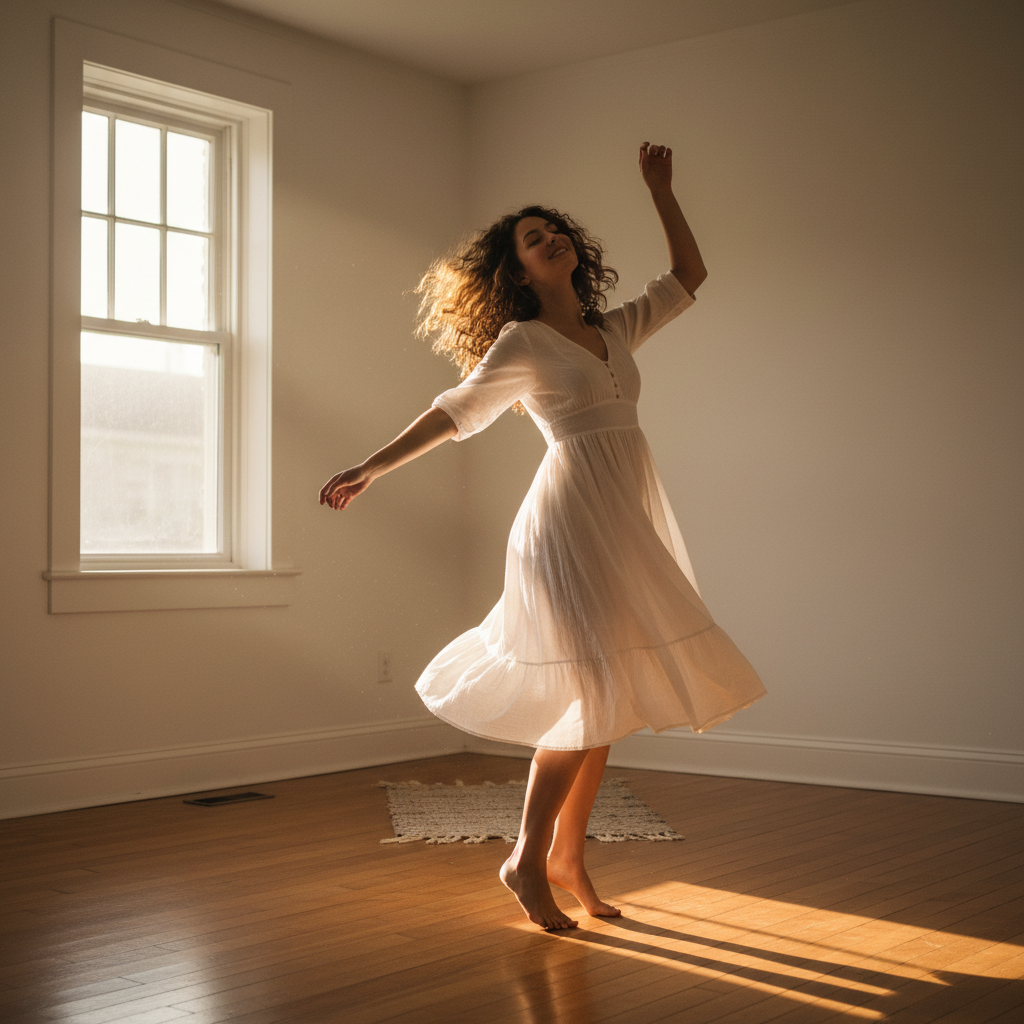
So, picture this. You’re in Boulder or maybe Fort Collins. It’s one of those blue-sky Colorado days—the kind where the sun’s out but the air’s still got that bite to it. You’re scrolling TikTok between classes or while your coffee brews. And you see it. A girl, alone in her room, dancing like no one’s watching.
No flash. No filter. Just her. And it clicks.
That was the Apple dance. Created by Kelley Heyer. A few moves, a beat by Charli XCX, and something that felt way more intimate than viral videos usually do. It wasn’t perfect. That’s probably why it worked. It was… real.
People started dancing with her. College students filmed it on balconies. Snowboarders tried it at base camps. Someone even did it in hiking boots at the top of a trail—no joke.
Colorado took the dance and ran with it. But while we were out here having fun with it, Kelley was quietly watching it slip away.
When the Dance Was No Longer Hers
Here’s where things get tough.
Kelley was in talks with Roblox—you know, the massive gaming company—to license the Apple dance. Everything seemed fine, in progress. The kind of back-and-forth creatives hope leads to something official.
Then suddenly, the dance showed up in their game Dress to Impress. No final deal. No signed contract. Just… there it was. A purchasable emote for $1.25, used by thousands of players.
Kelley didn’t even know it was live until it already was.
And the numbers? They’re pretty hard to ignore:
- Around 60,000 copies sold
- An estimated $123,000 earned
- 0 permission given
- 0 credit to the creator
- 1 legal battle Kelley never asked for
Colorado Knows This Feeling
If there’s one thing people in Colorado understand, it’s what it means to build something meaningful with your own two hands. This is a place where artists sketch in cafes, where musicians play in front of food trucks, where people climb mountains not for glory—but because the climb matters.
And we know what it feels like when something personal gets picked up, passed around, and suddenly it’s not yours anymore.
That’s what happened to Kelley. She didn’t post the Apple dance to make money. She made it because she needed to. Because dancing helped her feel whole again. And she shared it, hoping it might do the same for someone else.
And it did. Until someone else decided it was theirs to sell.
What Roblox Had to Say
Well, they said what most companies say when they’re backed into a corner. Something like: “We respect intellectual property” and “We’re confident in our legal position.”
Translation? Not much. Definitely not “We’re sorry.” Definitely not “We see you, Kelley.”
This Was Never Just About a Dance
It’s about feeling invisible after giving the world something joyful. It’s about watching a company take your spark, turn it into a product, and leave you standing in the cold wondering if it was ever really yours to begin with.
Kelley isn’t suing because she wants to be famous. She’s doing it because she doesn’t want to be forgotten. Because if she doesn’t say something, who will?
A Thought for the Trail
So the next time you’re hiking through Red Rocks or sipping something warm in a downtown Denver café, and a TikTok dance flashes on your screen—maybe ask yourself: Where did that come from? Who made it?
Because behind every trend is someone like Kelley. A real person, in a quiet room, just trying to make something beautiful.
And maybe—just maybe—we should start remembering their names.