
- calendar_today August 28, 2025
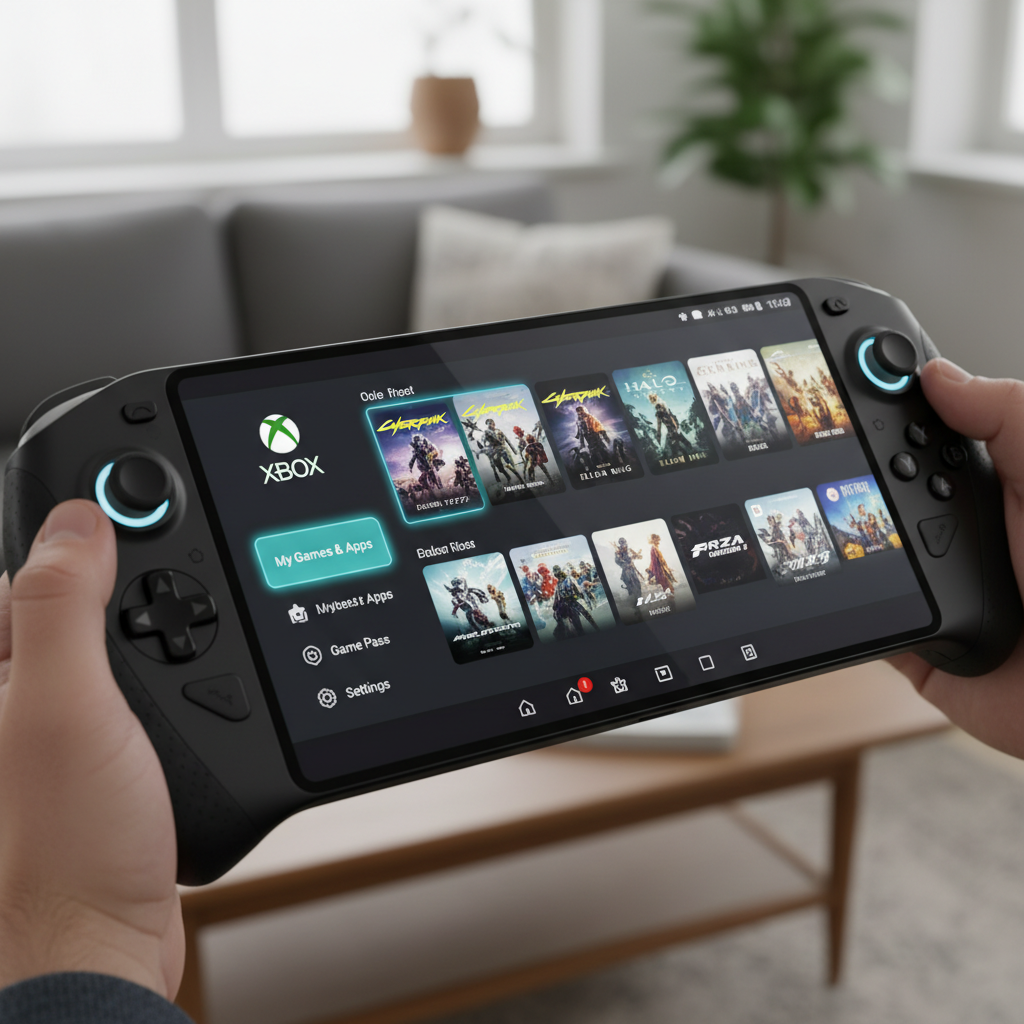
Microsoft has launched a new Xbox-branded user interface designed for portable Windows devices to strengthen its presence in the handheld gaming market. The ROG Xbox Ally stands as the debut platform for the UI and represents a new handheld device developed through Microsoft’s partnership with Asus. The new interface eliminates the standard desktop-and-taskbar layout in favor of a full-screen tile-based system designed for controller and touchscreen input.
The Steam Deck by Valve running SteamOS has been the primary force shaping the handheld gaming market up until this point. The SteamOS platform runs Windows games using Proton compatibility layer which has matured through continuous advancements. Proton has developed sufficient strength to run numerous games which enables players to experience popular Windows titles without needing to install Windows itself.
Steam Deck thrives on its specialized gaming interface alongside a system that maximizes resource efficiency. The operating system SteamOS cannot serve as a complete replacement for Windows because it encounters compatibility challenges. That’s where Microsoft sees an opportunity. Through its Windows foundation and Xbox UI integration Microsoft intends to deliver broad software compatibility alongside an accessible console-like experience for handheld devices.
Microsoft announced that the new interface will initially launch on the ROG Xbox Ally before being released across additional Ally devices. The UI will extend its presence to other Windows handhelds starting next year. The connection between this development and Microsoft’s 2022 “Windows Handheld Mode” project revealed during a hackathon remains uncertain. The project uncovered several problems with Windows on handheld devices such as inadequate touch optimization and restricted controller support while presenting a new interface to address these problems.
Performance enhancements represent an essential element of the narrative. The redesigned Xbox interface requires less RAM by several gigabytes and uses reduced energy which allows games to access more system resources. Devices dependent on battery power require this performance enhancement to maximize their capabilities. The new Xbox interface eliminates the necessity of using Asus’ Armoury Crate as the additional software required to connect desktop Windows capabilities with handheld features.
Microsoft maintains the classic desktop experience alongside its recent interface innovations. The full Windows interface remains accessible for users who choose to use it while it will not be set as the default option. The hybrid system provides users with a simplified gaming experience while still offering full PC functionality whenever it is needed.
Valve keeps advancing both SteamOS and Proton. Users have been increasingly able to run Windows games through these tools without needing Windows as their operating system. SteamOS now extends its support to handheld devices beyond the Steam Deck, including several models designed by Asus. The rise in Proton and Wine capabilities reduces Windows necessity marginally for gaming purposes. The gradual decline of Windows market dominance became evident as Linux market share grew to exceed 4%.
Microsoft delayed its response to the handheld gaming industry shift while directing resources toward AI and security development instead of gaming technologies. The success of Steam Deck compelled Microsoft to take action. Microsoft is countering SteamOS through a handheld-compatible Xbox UI that enhances Windows usability for compact gaming devices. Microsoft has started to take action with their new handheld-friendly Xbox UI but it’s unclear if this will match Valve’s early market advantage while showing that Microsoft won’t stay uninvolved in the portable gaming space.