
- calendar_today August 22, 2025
Lululemon’s forecast falters are sending waves in the activewear industry of Colorado. Discover how this retail trend can influence surrounding businesses and industry growth within the state.
Introduction
One of the activewear giants, Lululemon, has recently downgraded its sales forecast, signaling tough times ahead. With the firm grappling with challenges including rising production costs, inflation, and shifting consumer trends, Colorado’s activewear sector is paying attention. With Colorado’s high retail base and intensified wellness and fitness trends, Lululemon’s declining trend can have powerful ripple effects. This article examines how these challenges can be experienced in Colorado’s activewear and retail sector.
Why Lululemon’s Forecast Distress Matters to Colorado
Lululemon’s forecast distress matters for several reasons, especially in Colorado, where athletic wear is a lifestyle. The state’s outdoor emphasis and passion for fitness and wellness make the Colorado market particularly sensitive to shifts in the activewear market. Following are a couple of reasons why Lululemon’s distress matters:
1. Impact on Colorado’s Activewear Market
The activewear business in Colorado is booming, with growing demand for outdoor recreation, yoga, and fitness. Because Lululemon is one of the category leaders, any souring in its performance would shake consumer confidence. Consumers who have come to depend on Lululemon for quality activewear might hesitate to make a purchase if the brand is weakening. This could have a pull effect on sales for local stores that rely on similar products or are targeting the same consumer base.
2. Investor Concern for Local Businesses
Investors in Colorado’s retail sector may also become more cautious with Lululemon’s forecasted difficulties. If the market begins to view Lululemon’s issues as representative of larger industry-wide issues, local retail firms would take a hit. Retailers that depend on activewear sales, especially those that compete directly with Lululemon, would probably see impacts. Investors would also reconsider investing in the activewear sector, slowing the pace of business expansion or innovation.
3. Operational and Supply Chain Impacts
Lululemon attributed rising production costs and supply chain interruptions as one of the causes of its challenges. Most activewear businesses buy fabric from similar manufacturers and suppliers, so Colorado companies might also face similar challenges. Higher costs and potential delays to get the product to market shelves might force local companies to raise their prices or lose the intensity of product supply. This might create angry customers and lower sales.
Major Drivers Behind Lululemon’s Struggles with Forecasts
There are several factors driving Lululemon’s struggles with forecasts, and Colorado’s activewear scene is paying attention:
1. Economic Uncertainty
Today’s economic uncertainty, defined by inflation and rising interest rates, is having consumers spend more frugally. With people pinching pennies on required expenses and cutting back on discretionary spending, fitness and active wear is not going to be at the top of their lists of what’s important. Colorado consumers, normally health-conscious, are suffering just like others across the nation. Lululemon’s business has been affected by this, and local shoppers can expect the same thing to occur.
2. Rising Costs
The production costs have been progressively increasing, particularly for companies that do their manufacturing and raw materials from abroad. It has been difficult for Lululemon to balance such costs with its high price. Colorado retailers who deal in similar activewear products can also anticipate that the prices will increase, which may lead to decreased demand in case the consumers are not willing to pay higher prices for activewear.
3. Changing Consumer Palate
The athleisure and activewear industries have been highly competitive with new players and established players like Lululemon. The customers are now preferring more affordable options or dumping current brands for brands offering more value for money. While tastes change, Lululemon’s long-term customer base could be waning, and native Coloradans could be in danger of being undercut by newer, more affordable brands that are popular in the state.
Colorado’s Activewear Market Reaction to Lululemon’s Challenges
Although Lululemon’s poor projection is something to concern about, Colorado’s activewear market has been reacting to the changing dynamics already:
1. Product diversification
Colorado retailers can take the opportunity to diversify their activewear product line to better compete with changing consumer trends. By adding new brands or expanding product lines to present a variety of price points and styles, firms can win more customers. This diversification helps to cushion the impact of Lululemon’s recent struggles by presenting consumers with choices.
2. Focus on Customer Interaction and Loyalty
Local companies are investing more in customer relations. With the industry becoming more competitive, customer loyalty is crucial. Offering rewards programs, personalized service, and neighborhood outreach can gain stronger brand commitment and repeat buyers. While Lululemon struggles through its missteps, Colorado companies will continue to invest in these initiatives to maintain consumers’ confidence.
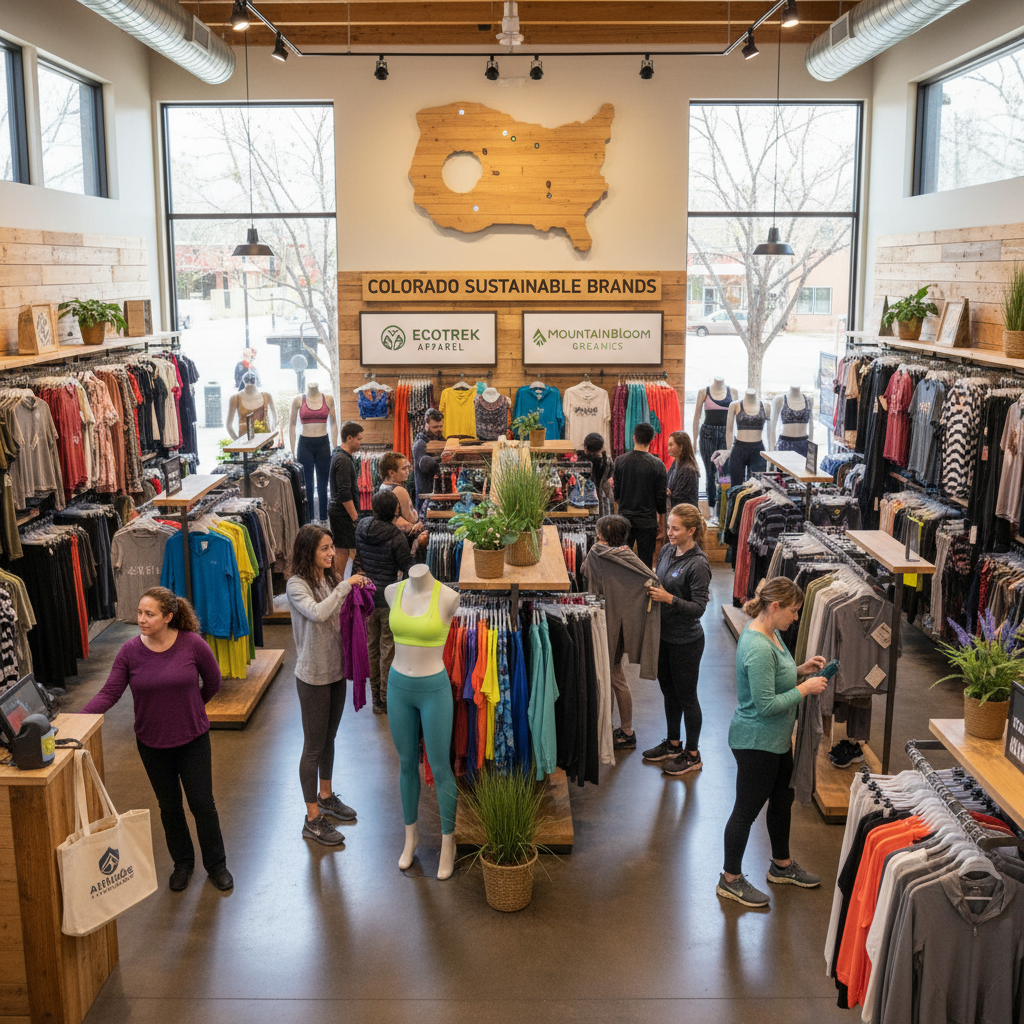
3. Emphasis on Local and Sustainable Brands
While Lululemon struggles with supply chain disruptions, Colorado businesses can capitalize on the growing demand for local and sustainable products. It is possible to find several consumers who are seeking sustainable and ethically produced activewear. Colorado local businesses can capitalize on this trend by offering sustainable options and surfing Colorado’s values wave that consists of sustainability and wellness.
Conclusion
Lululemon’s projection problems are sending waves throughout Colorado’s activewear and retail markets. While the company’s problems may cause short-term jitters, local retailers are answering back by broadening their lines, focusing on client loyalty, and trending in the right direction with initiatives like sustainability. Relying on a robust health and wellness market, Colorado’s activewear market is well-poised to weather this tempest and go forward with expansion in spite of Lululemon’s projected plunge. By being quick and responsive to changing consumer needs, Colorado’s retailers can remain competitive in a dynamic market.