- calendar_today August 12, 2025
Denver and Boulder Remain Market Leaders
Colorado’s real estate market in 2025 is dominated by the continued expansion of Denver and Boulder. Both cities boast strong job markets in tech, healthcare, and renewable energy, which support ongoing demand for housing.
According to the Colorado Association of Realtors, home sales in Denver increased by 3.5% in February, with prices holding steady after a rapid rise in the last few years. Boulder, known for its quality of life and proximity to nature, continues to see strong demand, despite high price points.
Suburban Expansion Fuels Growth
While Denver and Boulder remain central to Colorado’s real estate growth, suburban areas are experiencing a surge in demand. Cities like Aurora, Lakewood, and Thornton are seeing an influx of buyers and renters as more people seek affordable alternatives to living in city centers.
In Colorado Springs, located south of Denver, demand for both single-family homes and rental properties has increased by over 7% year-over-year. The city’s affordable housing stock, combined with growing military presence and tech-sector expansion, makes it an attractive area for investors looking for steady returns.
Build-to-Rent Communities Gain Popularity
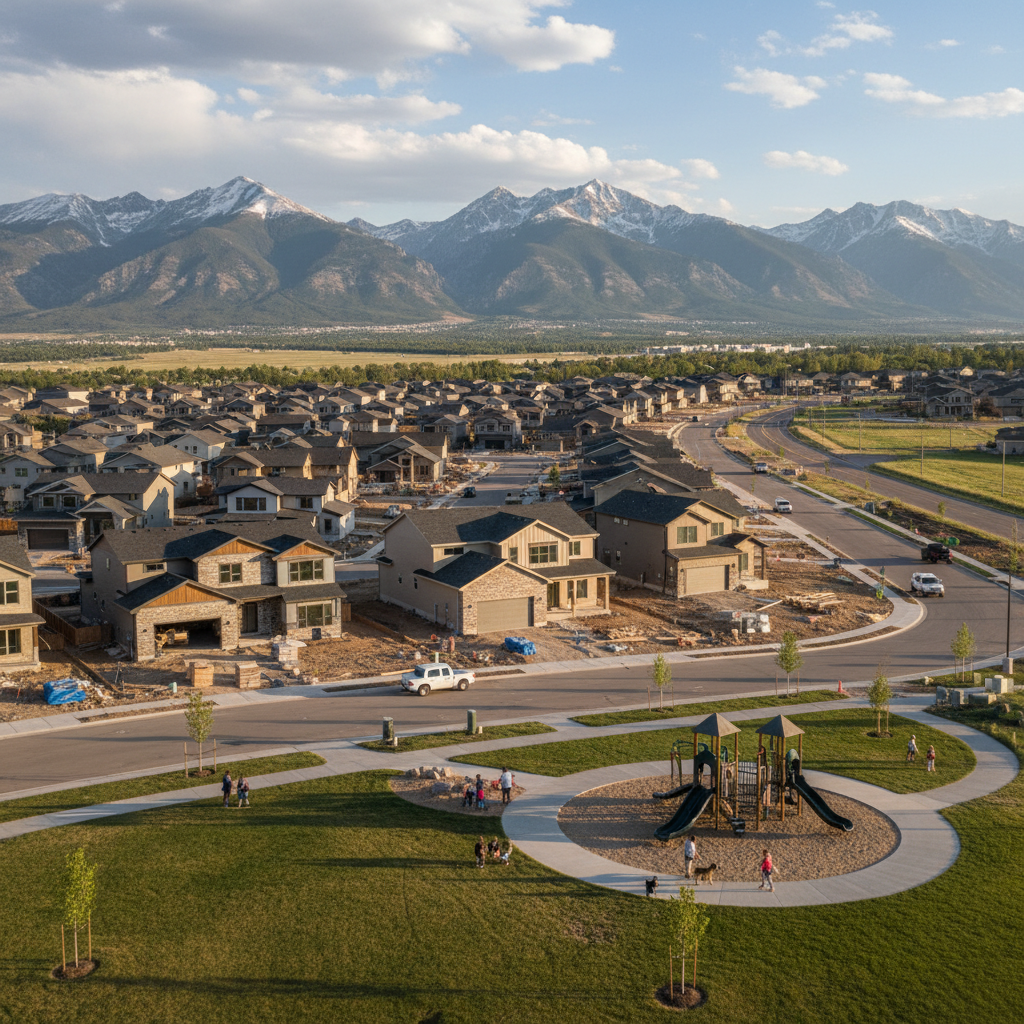
The build-to-rent (BTR) trend is increasingly gaining ground in Colorado’s suburbs. Communities in places like Castle Rock, Loveland, and Fort Collins are welcoming purpose-built rental properties that cater to a growing number of remote workers and young families seeking flexibility and modern amenities.
BTR developments have become particularly appealing to investors looking for long-term, stable cash flow, given the high demand for rental housing. Developers are incorporating green technologies and community-centric designs to meet the growing expectations of renters.
Secondary Cities Provide High Returns
While Denver continues to lead, secondary cities like Grand Junction, Pueblo, and Greeley are increasingly on the radar of investors. These cities offer lower entry prices and steady demand for rental properties, particularly in light of the cost-of-living increases in larger cities.
In Grand Junction, the demand for both residential and commercial real estate has risen significantly due to local economic growth, particularly in agriculture, energy, and healthcare. Pueblo also continues to attract buyers, especially as more remote workers move to smaller cities that offer more affordable housing.
Mortgage Rates and Affordability Drive Investor Interest
Mortgage rates in Colorado have stabilized around 6%, and inflation has eased to 2.8%, helping to maintain buyer interest. While home prices in urban centers like Denver and Boulder remain high, the state’s relatively low property taxes and the availability of new housing developments continue to make the market accessible.
For investors, Colorado’s rental market is particularly strong due to consistent demand for rental properties, coupled with a solid economy and growing workforce.
Commercial Real Estate and Industrial Growth
Colorado’s commercial real estate market is shifting in response to changes in workforce needs and business growth. In Denver, office space continues to face challenges due to remote work trends, but suburban office parks and flex spaces are experiencing renewed interest, particularly in areas like Greenwood Village and Centennial.
The industrial sector, particularly in Pueblo and Aurora, is booming, with increased demand for warehouses, distribution centers, and e-commerce facilities. Colorado’s strategic location and expanding transportation infrastructure make it a key hub for logistics and supply chain management.
REITs and Investment Funds Provide Passive Exposure
For investors seeking indirect exposure to Colorado’s real estate market, REITs (Real Estate Investment Trusts) and funds that focus on multifamily and industrial assets provide an easy way to participate. Funds like Vanguard Real Estate ETF (VNQ) provide diversified portfolios with significant holdings in Colorado’s growing sectors, including residential and commercial real estate.
What to Watch in Colorado Through 2025
Several factors will continue to shape Colorado’s real estate market:
- Tech sector expansion in Denver and Boulder
- Affordable housing initiatives in suburban and rural areas
- Population growth in secondary cities like Pueblo and Fort Collins
- Climate resilience, particularly in mountain and high-risk wildfire areas
A Colorado-based real estate expert summed up the shift: “Investors who understand the local economic drivers tech, energy, and healthcare—will find strong opportunities in Colorado, especially in suburban markets and secondary cities.”
For the latest updates on Colorado real estate trends and investment opportunities, subscribe to the Rocky Mountain Real Estate Report.