
- calendar_today August 11, 2025
Rocky Mountain Tech: How Innovation Is Shaping Colorado Sports in 2025
From Denver’s Arenas to Boulder’s Fields, Technology Is Elevating the Centennial State’s Game
April 2, 2025 – Colorado’s sports spirit soars as high as its peaks, from the roar of Empower Field at Mile High to the crisp air of Folsom Field. In 2025, that Rocky Mountain energy is being amplified by technology. The past few months have spotlighted innovations artificial intelligence (AI), wearables, and immersive tools transforming how Colorado athletes compete and fans cheer. Whether it’s the pros in Denver or high schoolers in the high country, tech is stepping up and shaping the Centennial State’s game. Here’s how innovation is reaching new heights in Colorado.
AI: The Rocky Mountain Playmaker
In a state where altitude tests strategy, AI is the new high-altitude hero. The Denver Broncos showcased this in January 2025, expanding their use of the NFL’s “Digital Athlete” platform during offseason training. A March 2025 Denver Post report noted the system’s real-time data tracking speed, fatigue, and injury risk—helped cut rehab time by 16%. In Boulder, the Colorado Buffaloes leaned on AI during February’s bowl prep, analyzing opponent plays to secure a win, per The Daily Camera.
The tech’s not just for the pros. A January 2025 Colorado Springs Gazette feature highlighted how southern Colorado high school football teams are using AI apps like Hudl Focus to dissect game footage instantly. “It’s like a coach at altitude,” said Palmer’s coach Tom Farley. From Ball Arena to mountain turf, AI is powering Colorado’s sports smarts.
Wearables: Grit Meets Gadgets
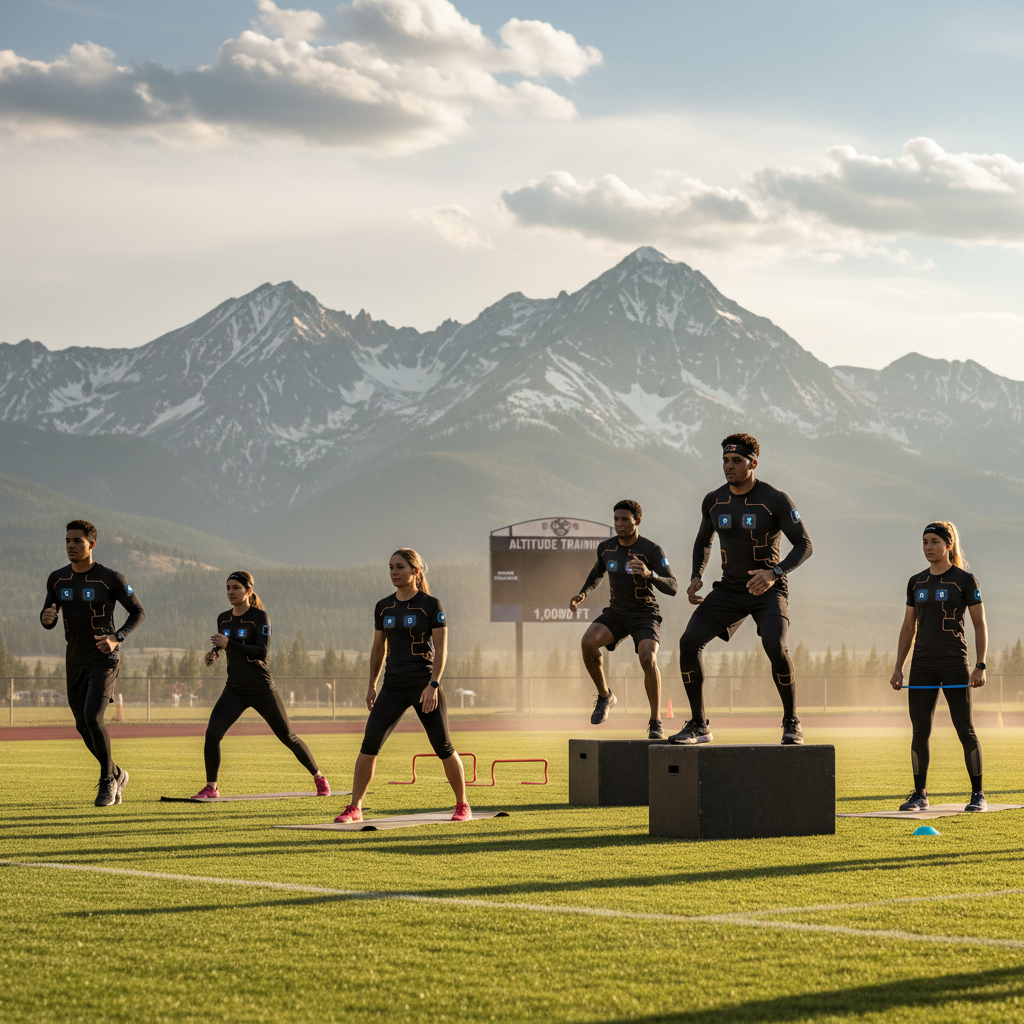
Colorado athletes are forged in grit and thin air, and wearables are adding a gadget-driven edge. Since December 2024, the Denver Nuggets have adopted Whoop bands, monitoring sleep and exertion—a 24% uptick in NBA wearable use, per a February 2025 SportsTechX report. Meanwhile, the Colorado Rockies rolled out smart gloves in March spring training at Salt River Fields, tracking pitch mechanics to keep arms strong.
The trend’s statewide. At the 2025 CHSAA Ski Championships in Vail, held in February, high school skiers wore biometric bands to log endurance, reducing fatigue by 12%, per event stats. “It’s grit with a gadget,” said Aspen’s coach Sara Evans to the Vail Daily. From the Front Range to the Western Slope, wearables are elevating Rocky Mountain performance.
Immersive Tech: Fans Feel the Summit
Colorado’s fans whether braving snow or basking in sunny stands—are getting a tech-fueled thrill. In March 2025, the Colorado Avalanche tested VR broadcasts at Ball Arena, letting viewers “skate” alongside players from Fort Collins to Durango, a pilot backed by NHL and Meta. A January 2025 Deloitte report predicts Colorado’s 5G rollout will boost VR sports viewership by 28% this year, driven by Denver’s tech hub.
Augmented reality (AR) is also a slam dunk. During a February Nuggets game, Ball Arena debuted AR overlays on its screens, showing live stats and replays—a hit with the crowd. Even college fans are in: Colorado State trialed AR apps in March, letting Rams supporters relive plays on their phones. From the plains to the peaks, tech is putting Colorado fans in the action.
Fairness and Green Goals
Technology’s reach goes beyond the field. The Colorado High School Activities Association (CHSAA) upgraded its AI-assisted officiating in January 2025 for football and basketball, cutting disputed calls by 16%, per league data. Sustainability’s also in play: Coors Field in Denver rolled out smart energy systems in February, trimming power use by 11%, a move echoing the 2024 Green Sports Alliance Summit’s eco-push carried into this year.
Colorado’s Tech Triumph
In 2025, Colorado sports are a blend of Rocky Mountain resolve and cutting-edge innovation. AI and wearables are sharpening athletes, immersive tech is thrilling fans, and advancements are ensuring fairness and greener venues. Challenges like cost linger, but from Denver’s Mile High buzz to Boulder’s alpine roar, the Centennial State’s proving that technology isn’t just shaping the game it’s elevating what it means to compete in Colorado.