
- calendar_today August 8, 2025
Increased Costs and Supply Chain Disruptions Test High-End Auto Sales in Colorado
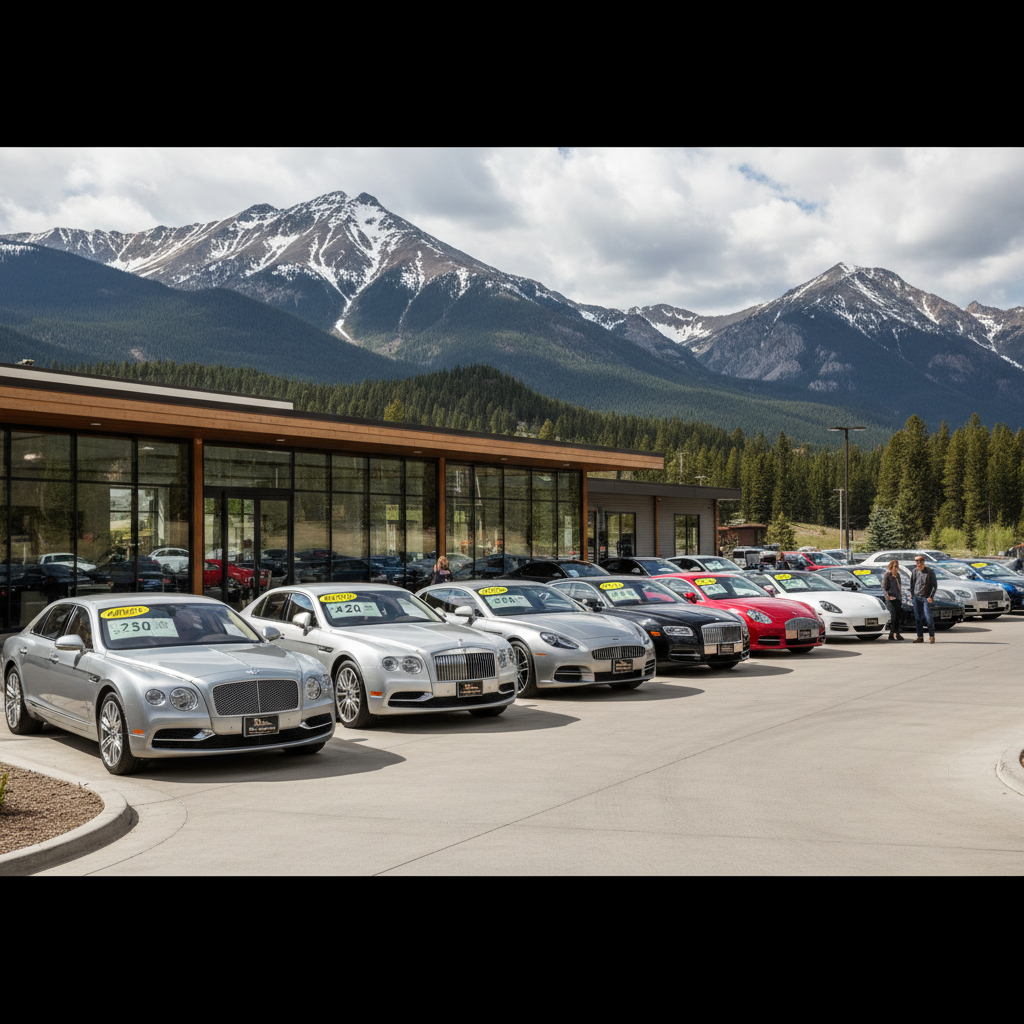
Colorado’s Luxury Auto Dealers Experience Economic Challenges
Colorado luxury auto dealerships are struggling with the long-term consequences of the trade policies of past President Donald Trump, which persisted in influencing the market through 2025. Tariffs applied to European and Chinese automobile imports have shaken supply chains, pushed up car prices, and made dealerships think creatively to survive.
Cities such as Denver, Boulder, and Aspen, which are traditionally robust luxury car markets, are experiencing diminishing volumes of sales as higher prices deter potential buyers. Luxury marques such as Mercedes-Benz, BMW, and Porsche are severely impacted, with increasing import charges pushing sticker prices higher and diminishing demand.
European and Chinese Imports are Hit Hard by Tariffs
Trump’s government imposed tariffs on a wide array of imported cars and auto components, especially those from Europe and China. Although intended to cut down on trade deficits, these policies have greatly affected Colorado’s high-end auto market, rendering premium imports less affordable for consumers.
German car manufacturers like BMW and Mercedes-Benz have experienced increasing costs that have a direct impact on prices at dealerships. On the other hand, Chinese luxury electric vehicle (EV) producers like Nio and Polestar are finding it hard to penetrate the state as a result of high import tariffs.
Changing Consumer Tastes Amidst Higher Prices
Coloradans, especially in higher-income neighborhoods such as Cherry Creek and Vail, have long been loyal to European luxury vehicles. But with costs increasing 10-20% since the tariffs went into place, consumers are looking for alternatives. Some are putting off buying new vehicles, while others are opting for certified pre-owned (CPO) vehicles or domestic luxury vehicles to offset expenses.
Industry analysts point out that it has also become more costly to finance luxury cars, with greater purchase prices resulting in bigger loan sizes and higher monthly payments. Although some manufacturers have added aggressive leasing offers to counter these expenses, they have not been sufficient to entirely overcome the challenges of the market.
Domestic and Electric Vehicles Become Popular
With tariffs still influencing the market, U.S.-made luxury brands such as Cadillac and Lincoln are gaining popularity. Not being affected by the import price increases, they have a cost advantage in the Colorado market.
Tesla has also emerged as a significant winner in this changing landscape. Colorado dealerships state that Tesla’s premium electric models, such as the Model S and Model X, are becoming increasingly popular due to their relatively stable pricing. With American production, Tesla does not have to contend with tariffs that have escalated prices for European and Chinese rivals.
Future Trade Policy Uncertainty
While President Biden’s administration has made some changes to Trump’s trade policies, numerous tariffs still exist. Colorado auto industry stakeholders are keeping a close eye on possible trade negotiations to see whether future changes might bring relief to luxury auto dealerships.
Meanwhile, dealerships are facing a volatile economic environment, managing escalating costs, shifting consumer trends, and geopolitical trade issues. Automotive manufacturers with local production, creative financing solutions, and pricing strategy will be optimally suited to succeed in Colorado’s dynamic luxury auto market.
Conclusion
Trump’s trade policy has made an indelible impression on the luxury car business in Colorado. Though dealerships still grapple with increased costs of imports, many are reorienting to local brands and electric cars in order to keep up. With the industry’s transformation, consumers and auto dealers alike have to cope with an evolving luxury automobile business in Colorado.