
- calendar_today August 7, 2025
Colorado’s Real Estate Momentum Rises as Affordability Pressures Mount
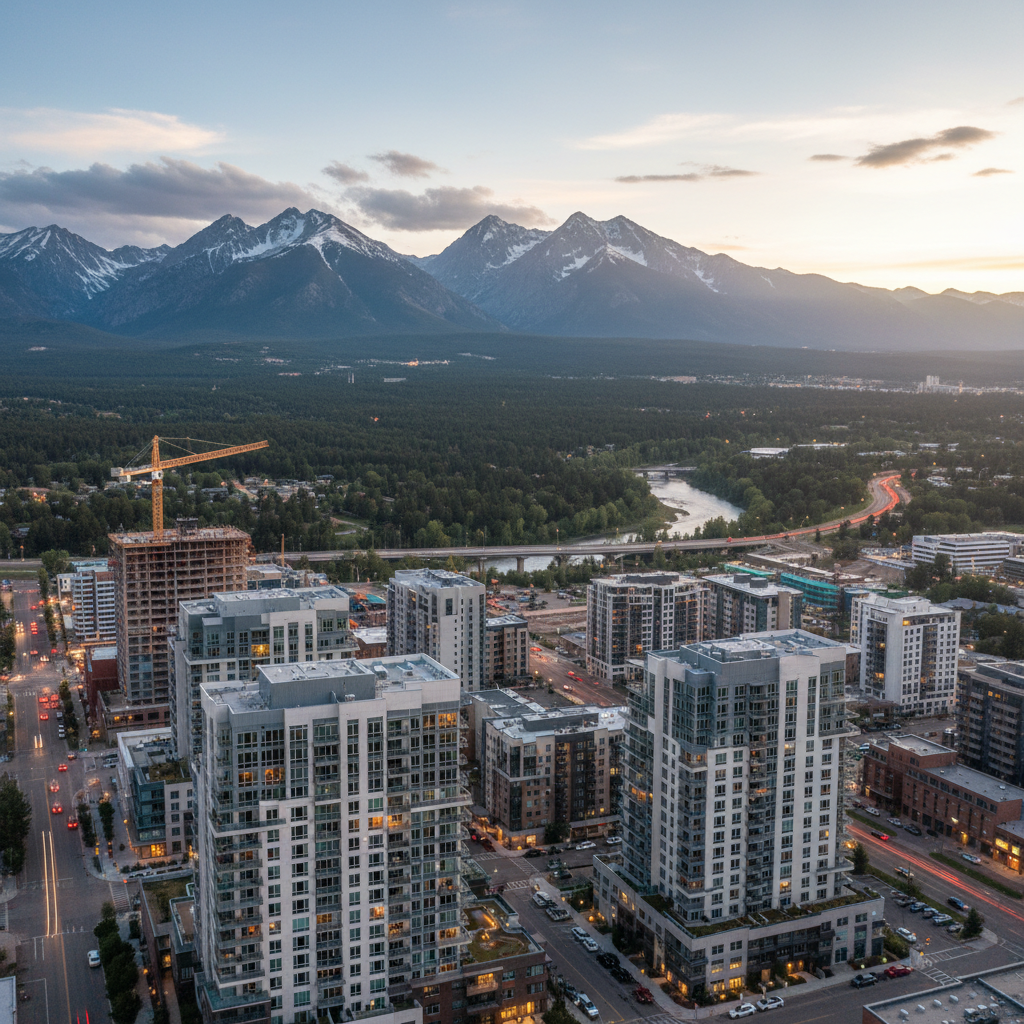
In Colorado, where panoramic mountain vistas meet growing urban hubs, the real estate market is anything but static. Over the past five years, the Centennial State has experienced a sharp population surge, fueled by tech expansion, outdoor lifestyle appeal, and favorable business conditions. But with this rise comes a parallel challenge: housing affordability. And nowhere is this more evident than in cities like Denver, Boulder, and Fort Collins, where rent hikes and median home prices are redrawing the socioeconomic lines.
Colorado’s housing market has become a microcosm of the national affordability crisis—only here, the backdrop is framed by the Rockies, and the stakes are increasingly generational.
Migration, Tech, and the Urban Magnet
Colorado’s population has grown by nearly 15% in the last decade, according to the U.S. Census Bureau, with domestic migration accounting for a large portion of that influx. Young professionals from California, Texas, and the East Coast have relocated here in search of lifestyle balance and lower taxes. But with growth came pressure—on infrastructure, rental inventory, and urban housing.
Denver, once considered a mid-tier metro, now competes with tech magnets like Austin and Seattle. Companies like Google, Amazon, and Palantir have all deepened their Colorado presence, driving job growth—but also real estate speculation. Luxury condos and renovated townhomes have become commonplace near downtown Denver and Boulder, pushing middle-income families to the suburbs and even to mountain towns once thought to be immune from metropolitan pricing.
The New Face of Affordability
Affordability in Colorado is a moving target. According to Zillow, the median home price statewide surpassed $580,000 in early 2025, a number that was less than $400,000 in 2018. First-time buyers are feeling the pressure most. In Denver alone, over 70% of available homes are out of reach for households earning the median income, sparking debates on wage stagnation and housing equity.
But it’s not just a Denver issue. From Colorado Springs to Grand Junction, younger residents are struggling to stay in their hometowns. Some local governments have responded with new zoning laws, encouraging multifamily housing construction and easing restrictions on accessory dwelling units (ADUs). Still, progress is slow, and resistance from long-time homeowners—worried about neighborhood character—is fierce.
Investors and Renters: A Shifting Equation
Institutional investors are now embedded in Colorado’s housing fabric. Single-family rental portfolios have grown in suburban areas like Thornton, Commerce City, and Littleton, where investor-owned properties are sometimes indistinguishable from owner-occupied ones. This new dynamic has altered the rental landscape: fewer affordable units, more corporate landlords, and stricter tenant screening criteria.
Meanwhile, rent prices have soared. In Boulder, the average monthly rent for a one-bedroom is now over $2,100. Fort Collins isn’t far behind. Even ski towns like Vail and Breckenridge, traditionally reliant on seasonal workers, now face year-round housing shortages—prompting some businesses to build employee dormitories to retain staff.
Community Resilience and Smart Development
Despite mounting pressures, Coloradans aren’t sitting idle. Community land trusts have emerged in places like Boulder County, offering shared equity models that help lower-income buyers build wealth without losing access to high-demand neighborhoods. Meanwhile, Denver’s urban planners are investing in transit-oriented developments—creating hubs near light rail and bus corridors that combine residential units with retail and public spaces.
New smart-growth policies are being adopted across cities like Longmont and Greeley, encouraging infill development over suburban sprawl. These small wins are adding up, with developers increasingly tailoring projects toward affordability and sustainability—driven partly by new state tax incentives for green construction.
Looking Ahead: The Colorado Housing Forecast
Colorado’s housing market is projected to remain competitive in 2025, but the nature of that competition is changing. With interest rates stabilizing, more buyers may return to the market, although they’ll face the same supply constraints. Affordable housing will remain the central narrative, and how the state addresses it will define its economic trajectory over the next decade.
If current trends continue, the divide between Colorado’s urban and rural real estate profiles may deepen. Mountain towns could become even more exclusive, while cities scramble to maintain economic diversity. But there’s still room for optimism: Colorado’s history of innovation, civic engagement, and environmental stewardship offers a blueprint for inclusive growth—if political will and public-private partnerships align in time.