
AI-generated illustration; not a photograph of the reported event.
- calendar_today October 15, 2026
Colorado Law Expands Definition of Repeat DUI Offenders
In Colorado, the consequences for driving under the influence (DUI) are growing increasingly strict. The Colorado State Patrol (CSP) is reminding motorists that drivers can be labeled as persistent drunk drivers (PPDs) after a single incident under certain circumstances, not only after multiple DUI convictions.
Ways Drivers May Be Labeled as Persistent Drunk Drivers
Traditionally, a driver with two or more dui convictions anywhere in the United States is considered a repeat offender. However, Colorado law also allows several other paths to being labeled a PPD. According to CSP, these include:
- Refusing to take a chemical DUI test upon arrest (chemical test refusal).
- Driving with a blood alcohol content (BAC) of 0.16 or higher, double the legal limit of 0.08, considered severely intoxicated driving even on a first offense.
- Driving with a suspended license due to a previous DUI-related offense.
“While it can be hard to imagine that someone would make such a life-altering choice twice, it happens daily,” said Col. Matthew C. Packard, chief of the Colorado State Patrol, in a press release. “As expected, the penalties for each conviction increase. We want the seriousness of these drivers’ threat to others to become real for them and those who love them.”
Increased Penalties for DUI Offenders
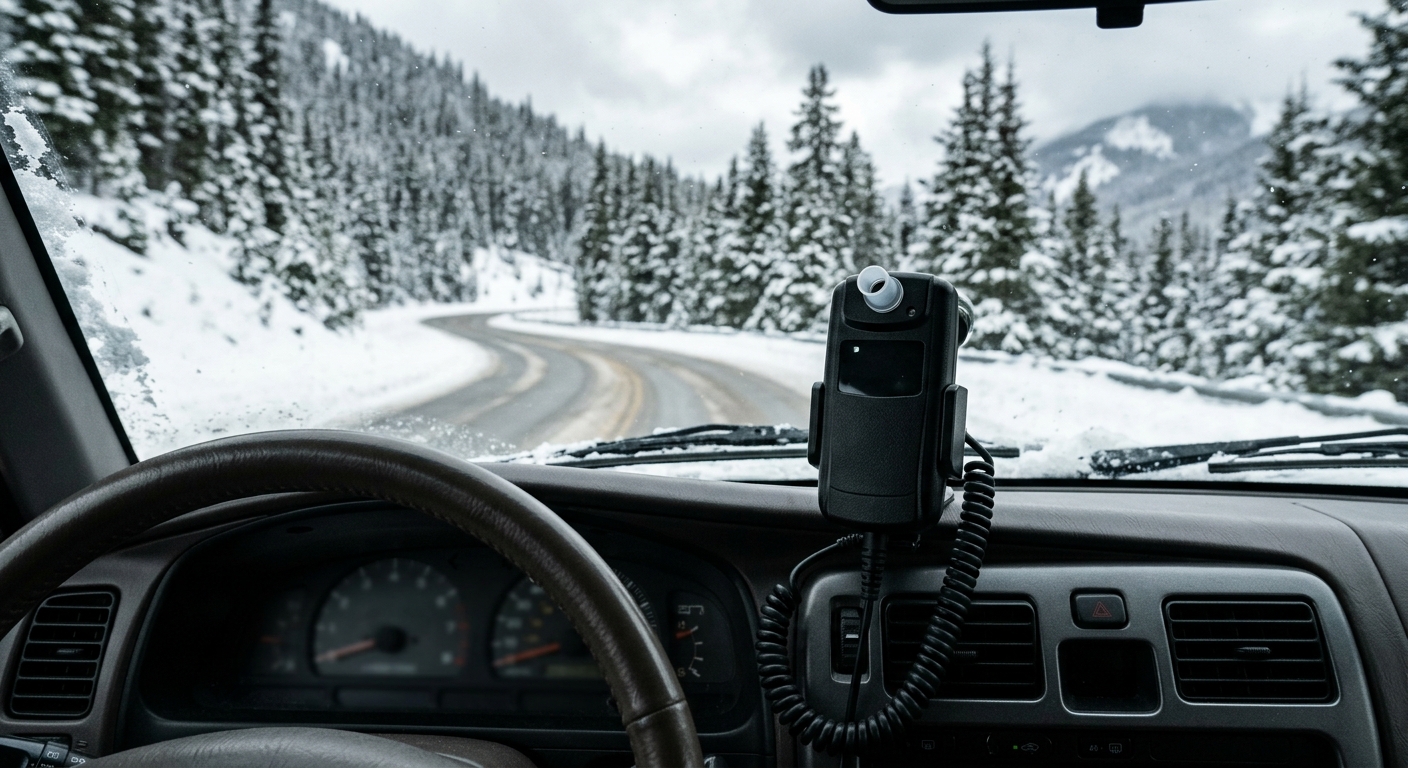
The penalties for being labeled as a persistent drunk driver in Colorado are significant and become more severe with each offense. CSP explains that the state requires repeat DUI offenders or those with high BACs to install an ignition interlock device. This is a breathalyzer installed in the driver's vehicle that prevents the car from starting if alcohol is detected. Installation of the device costs about $100, with monthly upkeep fees ranging from $50 to $75.
Additional requirements include providing an SR-22 from a car insurance company to verify financial responsibility and active coverage. The reinstatement of a driver’s license is contingent upon meeting all these stipulations.
Requirements for Treatment and Education
Alongside technical and insurance hurdles, PPDs must complete mandated alcohol abuse treatment. This typically involves 24 hours of coursework over 12 weeks. However, if a driver is determined to be dealing with addiction, or has refused a chemical test, the required hours of classes more than double, according to the Colorado State Patrol.
Statistics and Ongoing Campaigns
CSP released data indicating the prevalence of DUI cases statewide. “Last year, Colorado Crime Statistics show 17,203 DUI cases were filed in Colorado despite everyday options of rideshares, public transportation, or having a designated sober driver,” wrote Col. Packard. On a national scale, nearly one-third (33%) of all drivers arrested for DUI have previously been convicted.
This public safety reminder is part of the Colorado State Patrol’s current holiday campaign, which began October 1 and continues through New Year’s Day. The 2026 campaign, themed “DUI Lasts Longer Than…,” focuses on the lasting consequences of impaired driving. CSP highlighted that “DUI lasts longer than hunting season,” emphasizing the extended impact on offenders’ lives.
Summary
Colorado’s expanded definition of repeat DUI offenders and the associated dui penalties are meant to underscore the seriousness of drunk driving. The new rules mean drivers can be considered persistent drunk drivers for one serious offense, and penalties—including mandatory ignition interlock installation, chemical test refusal consequences, and alcohol abuse education—reflect the state’s commitment to deterring impaired driving.
Source: kdvr.com.