- calendar_today August 21, 2026
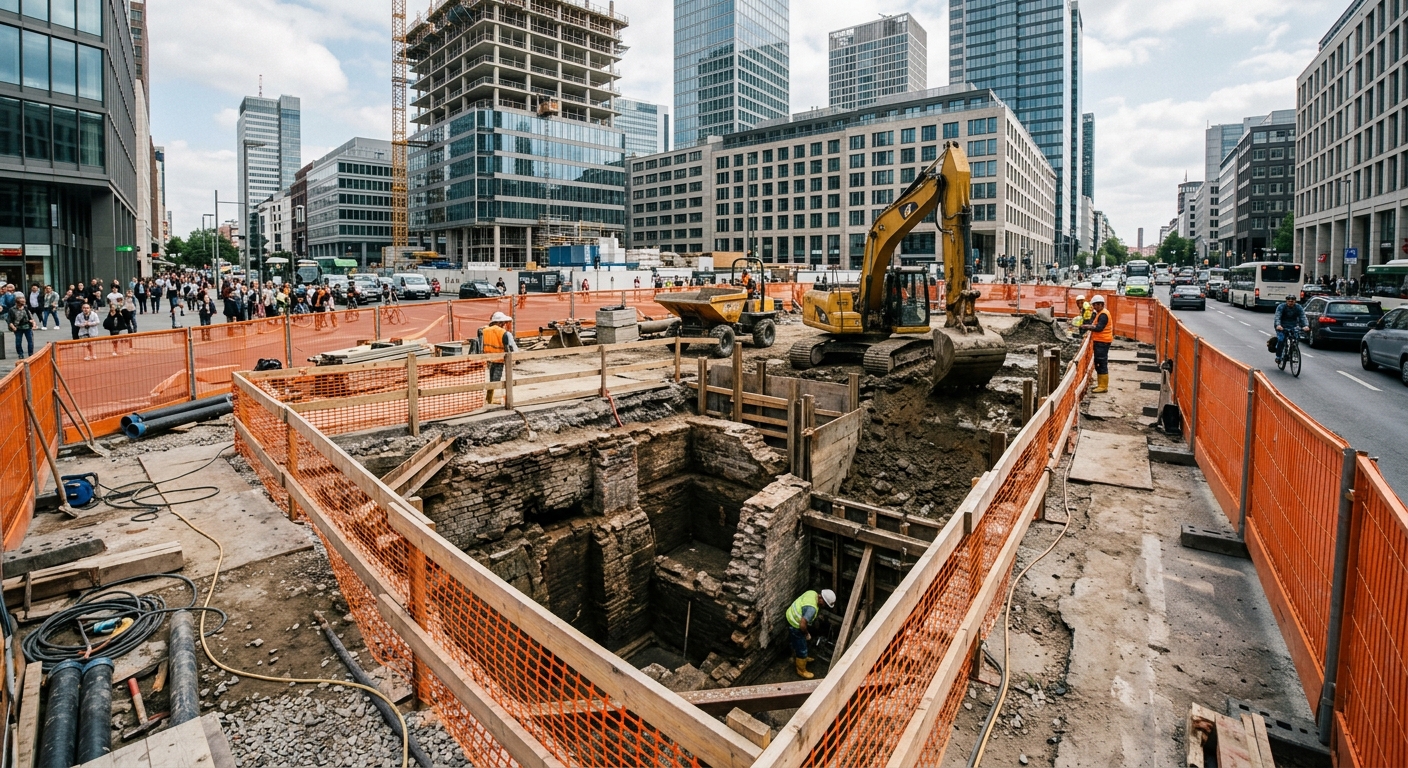
The ongoing 16th street project in the heart of Colorado faced serious delays and unexpected costs after construction crews unearthed an underground brick sewer dating back to the 1880s near Lawrence Street. This discovery stalled progress on the prominent infrastructure project by more than 300 calendar days and added an extra $18 million expense borne by Colorado’s taxpayers, according to a new auditor report released by the city.
Historic Sewer Discovery Disrupts Major Infrastructure Upgrade
The unanticipated finding of the brick sewer threw a wrench into redevelopment plans for the busy 16th Street corridor. Originally intended as a straightforward urban improvement, the infrastructure project quickly became more complex and costly, requiring planners and builders to re-evaluate timelines and budgets.
Audit Reveals Communication and Oversight Shortcomings
Denver’s Auditor, Timothy O’Brien, sharply criticized the Department of Transportation and Infrastructure (DOTI) for inadequacies in communication throughout the course of the project. Specifically, the auditor report concluded that DOTI failed to keep the Denver City Council adequately informed about the historic sewer discovery and the resulting project delay. Changes to the project contract were made without proper city council oversight, raising concerns about the level of internal review and the protection of taxpayer cost interests during large-scale construction management efforts.
Taxpayer Costs Escalate Amid Project Setbacks
The unforeseen delay after the brick sewer was discovered pushed total expenses far beyond early projections. With at least $18 million added to the overall budget, the infrastructure project highlighted the significant financial burden that unexpected site conditions can impose on public funds. This has sparked renewed debate among residents and city officials in Colorado about the need for more diligent planning and effective project oversight.
DOTI Defends Actions and Cites Project Complexity
The Department of Transportation responded by emphasizing the unique challenges posed by redevelopment in historic areas, particularly when unrecorded infrastructure like the ancient sewer interferes with modern construction. DOTI pointed to industry awards received for city-building and asserted that its construction management teams operated effectively under difficult conditions.
Calls for Stronger Public Transparency and Planning
Auditor O’Brien concluded that while city project management generally meets standards, this case underscores a critical need for stronger public transparency and more robust planning before breaking ground on large infrastructure projects. The findings further urged agencies such as DOTI and the Denver City Council to maintain clear channels of communication to safeguard public trust and ensure responsible use of funds.
Impact on Colorado Communities and Future City Projects
The events surrounding the 16th street project reverberate beyond city hall, affecting Colorado residents who rely on efficient urban mobility and responsible government spending. For local stakeholders, the prolonged project delay and increased taxpayer cost highlight potential vulnerabilities in oversight practices that could impact future city initiatives. The audit serves as a reminder that infrastructure projects, especially those involving historic city centers, must be managed with meticulous diligence and clear, multi-level oversight.
Lessons Learned for Future Oversight
This latest auditor report has prompted Colorado officials and infrastructure planners across the region to re-examine their protocols. Recommendations include improved advance surveys for potential obstacles, standardized reporting to the Denver City Council, and enhanced contractual reviews to prevent cost overruns stemming from unforeseen discoveries like the 1880s brick sewer. Ultimately, city leaders are reaffirming their commitment to public transparency and fiscal responsibility as Colorado continues its investment in urban development.